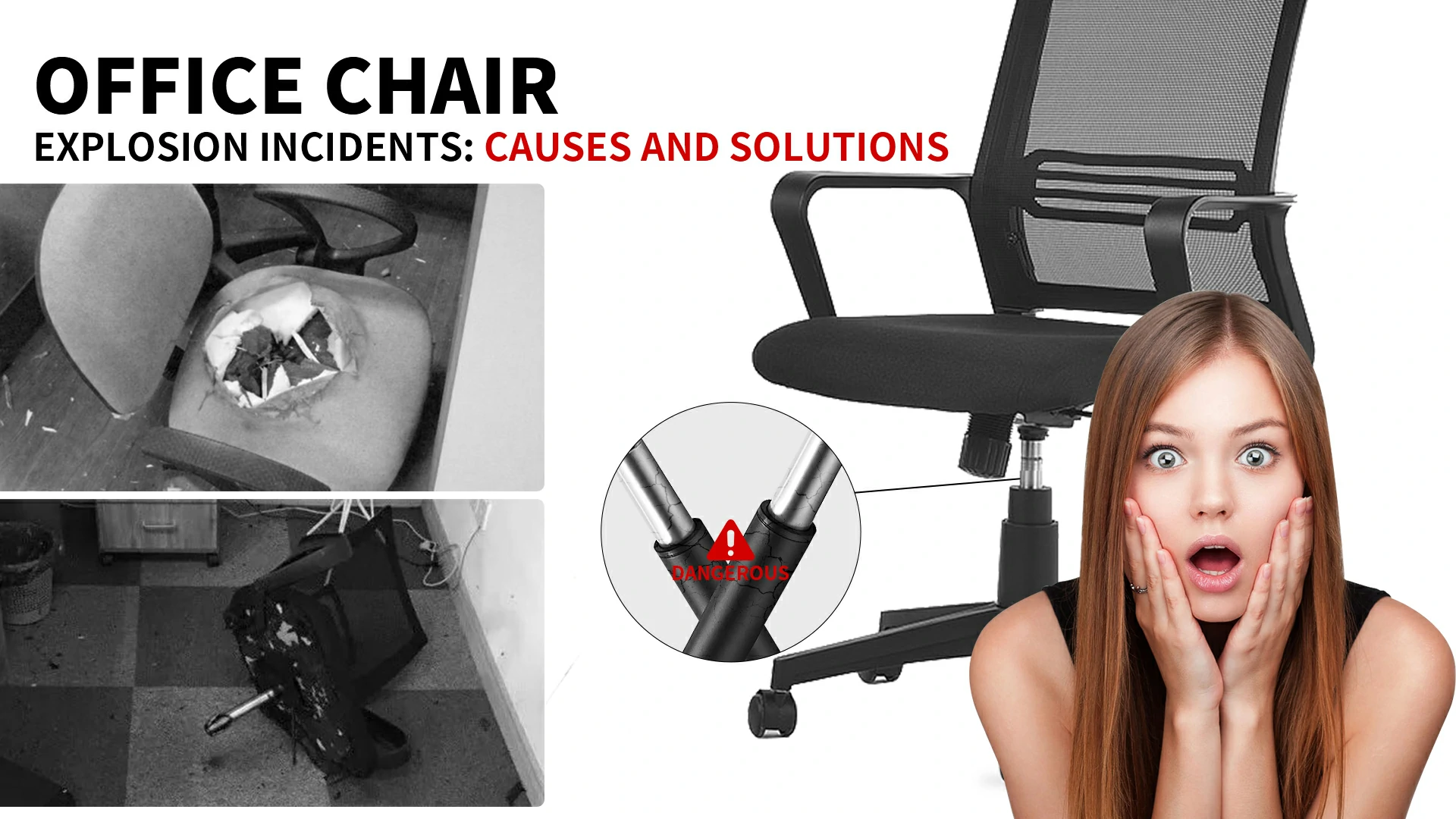
An office chair explosion is extremely rare, but a sudden failure involving the chair’s pressurized gas lift cylinder can occur when the component is defective, damaged, incorrectly installed, overloaded, exposed to excessive heat, or improperly modified.
This guide explains what an office chair explosion actually means, how a pneumatic gas lift works, the warning signs of cylinder failure, and the practical steps users and businesses can take to reduce the risk.
Can an Office Chair Explode?
Yes, but it is extremely rare. What people commonly call an office chair explosion is usually a sudden rupture or mechanical failure involving the pressurized gas lift cylinder beneath the seat—not a fire or combustion explosion.
Modern office chair cylinders typically contain compressed nitrogen and are designed to operate safely when correctly manufactured, installed, and used. Problems are more likely to occur when low-quality or damaged cylinders are used, the chair is subjected to excessive load or impact, or the cylinder is exposed to heat or unauthorized modification.
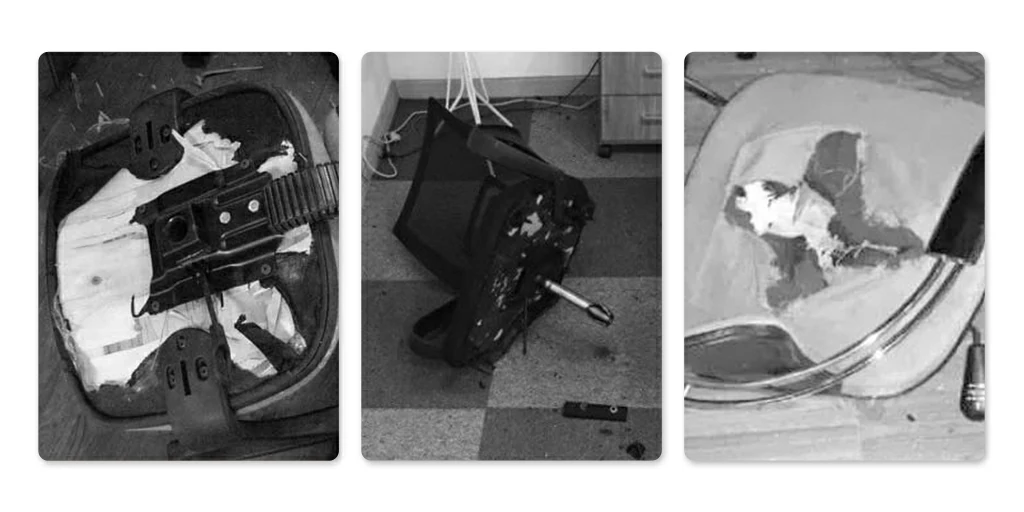
Although serious incidents involving office chair cylinders have been reported, they are exceptional cases rather than a normal risk associated with everyday office seating. Chairs made with suitable components and used within the manufacturer’s instructions should not cause unnecessary concern.
What Causes an Office Chair Explosion?
An office chair gas cylinder does not normally fail without an underlying problem. The most common risk factors involve component quality, installation, physical damage, excessive load, unsuitable environmental conditions, or improper handling.
How the Office Chair Gas Lift Cylinder Works
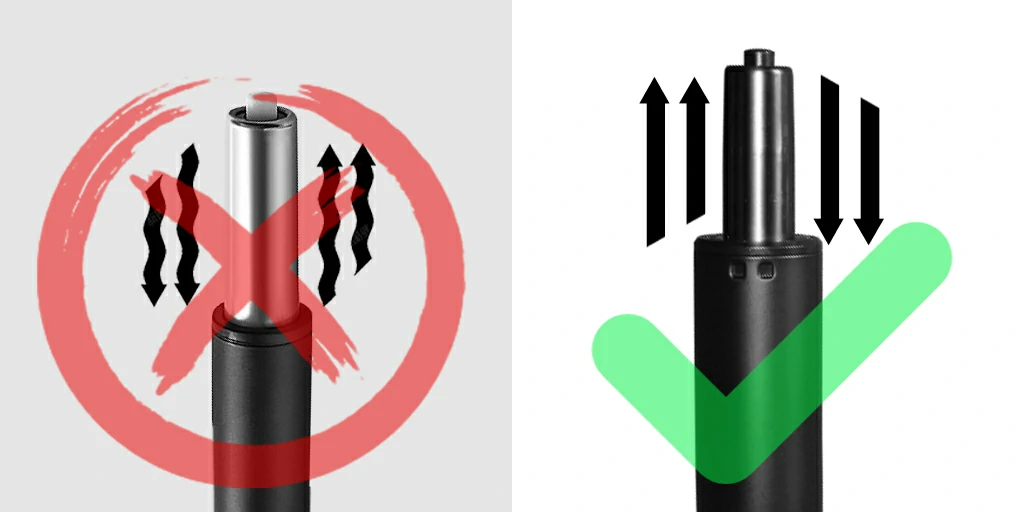
The office chair gas lift cylinder is installed between the seat mechanism and the chair base. It allows the user to adjust the seat height by releasing or sealing pressurized gas inside the cylinder.
When the height-adjustment lever is activated, a valve inside the cylinder controls its movement. The cylinder must be compatible with the chair, correctly positioned, and capable of supporting the intended load.
Common Causes of Office Chair Gas Cylinder Failure
1. Low-Quality or Defective Components
A poorly manufactured cylinder may have weak materials, inadequate sealing, inconsistent wall thickness, or other defects that reduce its ability to withstand internal pressure and daily use. Purchasing chairs and replacement cylinders from reliable suppliers helps reduce this risk.
2. Incorrect Installation or an Incompatible Cylinder
A gas lift that is installed incorrectly or does not match the chair’s mechanism, base, dimensions, or load requirements may become unstable. Forceful installation, impact from tools, or damage during replacement can also weaken the cylinder.
3. Exceeding the Chair’s Weight Limit
Repeatedly exceeding the recommended load can place excessive stress on the cylinder, seat mechanism, base, and casters. Users should follow the manufacturer’s stated capacity and choose an appropriate chair for the intended application.
For more information, read our guide to office chair weight limits.
4. Physical Damage and Strong Impact
Dropping the chair, striking the cylinder, using the chair as a step ladder, or repeatedly falling into the seat can damage the gas lift or surrounding components. Even when damage is not immediately visible, repeated impact can reduce stability over time.
5. Excessive Heat
A pressurized cylinder should not be stored or used near open flames, heaters, welding operations, or other sources of excessive heat. High temperatures can increase internal pressure and damage seals or structural components.
6. Unauthorized Modification or Repair
Users should never drill, cut, open, heat, refill, or otherwise modify an office chair gas cylinder. A damaged or malfunctioning cylinder should be replaced with a compatible component rather than repaired by an unqualified person.
What Happens When an Office Chair Cylinder Fails?
Most gas lift problems do not result in an explosion. A failing cylinder is more likely to lose pressure, sink gradually, stop holding the selected height, or make the chair unstable.
In a severe failure, the chair may collapse suddenly or damaged components may be displaced with force. This can cause falls, impact injuries, or damage to nearby equipment. The chair should therefore be removed from use as soon as significant warning signs appear.
Warning Signs of a Faulty Office Chair Gas Cylinder
A chair does not need to show every warning sign before action is taken. Stop using it and arrange an inspection when the gas lift, seat mechanism, or base behaves abnormally.
Sudden or Repeated Sinking
If the seat repeatedly drops after the height has been set, the cylinder may no longer be maintaining pressure. Gradual sinking is a common sign that the gas lift needs replacement.
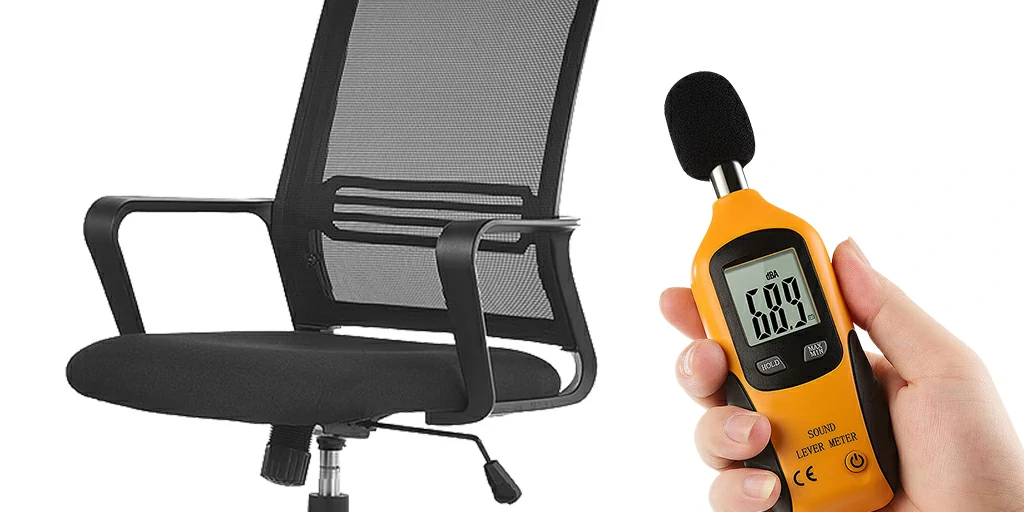
Hissing, Popping, or Unusual Noises
Hissing around the cylinder may indicate a seal or pressure problem. Popping, cracking, or metallic noises may also point to loose, damaged, or overstressed components.
Excessive Wobbling or Instability
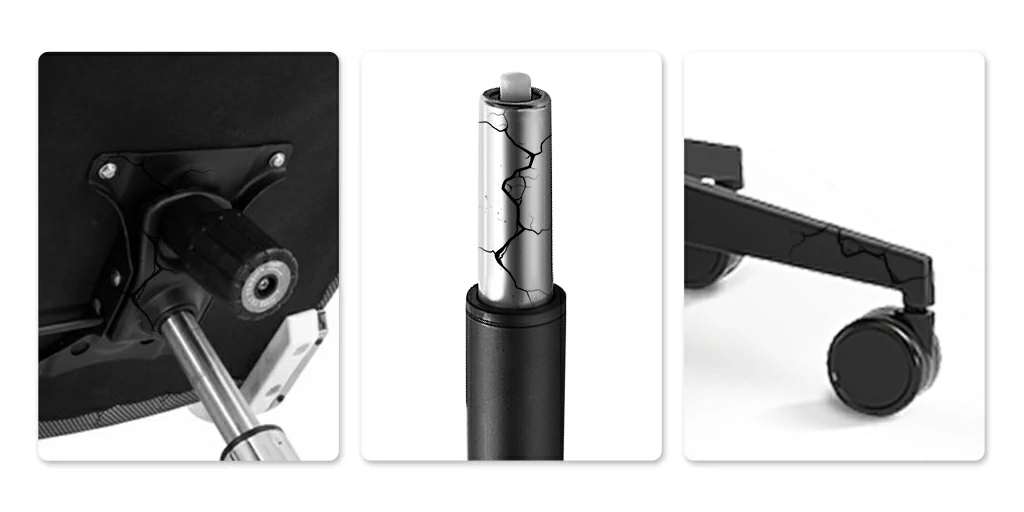
A loose connection between the seat, cylinder, and base can cause the chair to wobble. Instability may also come from a cracked base, loose mechanism, damaged casters, or an incorrectly fitted cylinder.
Visible Damage or Fluid Residue
Dents, corrosion, cracks, bending, exposed internal parts, or unexplained residue around the cylinder should be treated seriously. Do not continue using a chair with visible damage to the gas lift or its mounting points.
Loose or Missing Parts
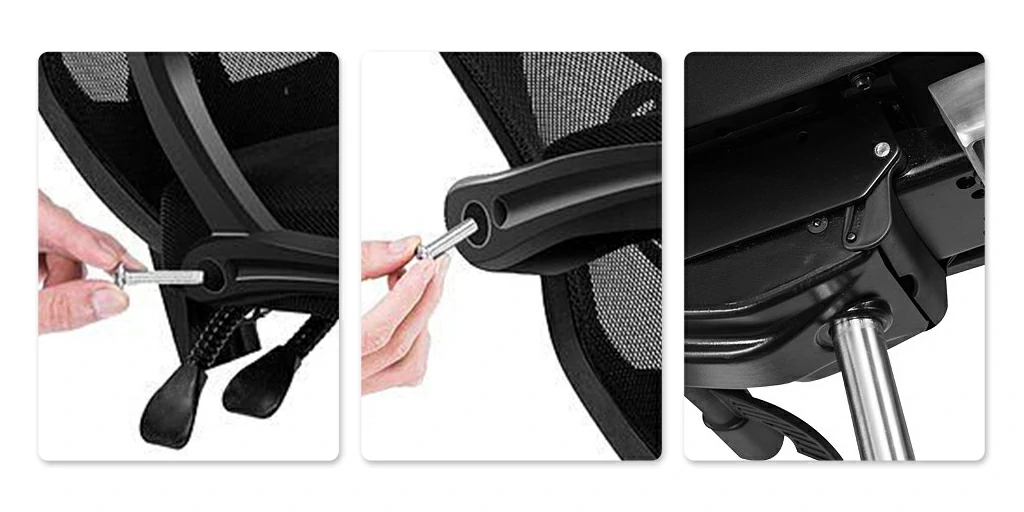
Loose screws, missing fasteners, damaged casters, or movement around the seat mechanism can compromise the chair’s overall stability. These problems should be corrected before the chair returns to service.
If several components are worn or the chair has reached the end of its useful life, see our guide on when to replace an office chair.
How to Prevent an Office Chair Explosion
Choose Reliable Chairs and Gas Lift Components
Select chairs from manufacturers that can provide clear specifications, quality-control information, and relevant test documentation. Replacement cylinders should match the chair’s dimensions, mechanism, load capacity, and intended application.
Follow the Assembly Instructions
Install the cylinder, mechanism, and base according to the manufacturer’s instructions. Avoid striking, drilling, heating, or forcefully modifying the gas lift during assembly or replacement.
Respect the Recommended Weight Limit
Use the chair within its stated load capacity. For shared workplaces, select models that suit the expected user range instead of relying on a chair with an unknown or insufficient rating.
Inspect Chairs Regularly
Check the gas lift, seat mechanism, base, casters, screws, and frame for looseness, corrosion, cracks, unusual movement, or noise. High-use office chairs should be inspected more frequently than chairs used occasionally.
Use the Chair as Intended
Do not stand on the chair, repeatedly drop into the seat, rock beyond the mechanism’s intended range, or expose it to strong impacts. Keep the chair away from excessive heat and corrosive environments.
Replace Damaged Components Promptly
Do not continue using a chair with a malfunctioning cylinder or unstable base. Replace damaged parts with compatible components, or replace the entire chair when several structural parts are worn.
What Should You Do If the Gas Cylinder Appears Damaged?
Stop using the chair immediately if it sinks suddenly, produces hissing or popping sounds, becomes unstable, or shows visible damage around the gas lift cylinder.
Do not heat, drill, cut, open, refill, or attempt to dismantle the cylinder. Move the chair away from regular use and contact the chair manufacturer, supplier, or a qualified technician.
A damaged cylinder should normally be replaced with a compatible component that meets the chair’s dimensional, installation, and load requirements.
Frequently Asked Questions
Can an Office Chair Really Explode?
It is possible, but extremely rare. Most reported cases involve the sudden rupture or mechanical failure of a defective, damaged, or unsuitable gas lift cylinder rather than a fire or combustion explosion.
What Causes an Office Chair Gas Cylinder to Fail?
Possible causes include poor manufacturing quality, physical damage, incorrect installation, excessive load, unsuitable replacement parts, strong impact, excessive heat, corrosion, or unauthorized modification.
What Are the Warning Signs of a Faulty Gas Cylinder?
Common warning signs include repeated sinking, failure to hold the selected height, hissing or popping noises, excessive wobbling, visible damage, corrosion, or residue around the cylinder.
Is It Safe to Repair an Office Chair Gas Cylinder?
Users should not open, drill, heat, cut, refill, or modify a pressurized gas cylinder. A damaged cylinder should normally be removed from use and replaced with a compatible component by the supplier or a qualified technician.
Does a Sinking Office Chair Mean It Will Explode?
No. A sinking chair usually indicates that the gas lift can no longer maintain pressure. An explosion remains highly unlikely, but the faulty cylinder should still be inspected and replaced to restore safe, stable operation.
Final Tips
An office chair explosion is highly unusual, and most gas lift problems result in gradual sinking or loss of height adjustment rather than a violent failure. The best precautions are to choose reliable components, follow assembly instructions, respect the stated weight limit, inspect the chair regularly, and stop using it when damage or abnormal behavior appears.
At VASEAT, we focus on office chair quality, durability, and safe commercial use. Buyers can contact our team to discuss chair specifications, gas lift options, testing documentation, customization, and bulk office seating requirements.