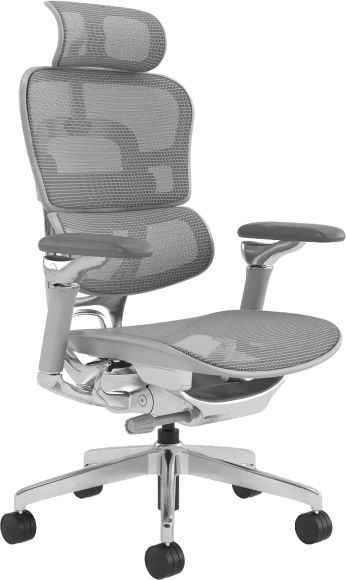
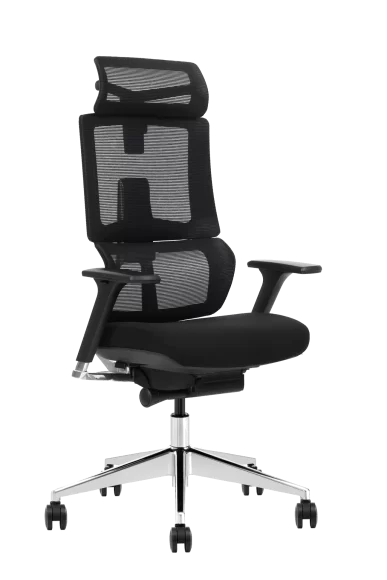
Office chair materials include mesh, woven fabric, polyester, genuine leather and PU leather for the upholstery, molded foam for the padding, and nylon, reinforced plastic, aluminum or steel for the frame, base and mechanism. The right combination depends on climate, daily sitting hours, cleaning needs and budget.
This guide compares the main upholstery options by breathability, durability and maintenance, explains what the rest of the chair is made of, and helps distributors, project buyers and furniture brands select suitable materials for commercial projects.
Chair material affects how an office chair feels, performs and maintains its appearance over time. However, upholstery should not be evaluated separately from seat dimensions, adjustability and structural support. Buyers planning larger office projects should consider both material performance and desk chair dimensions and ergonomic fit before selecting a model.
Why Office Chair Material Matters
The material covering the seat and backrest influences more than appearance. It affects airflow, cushioning, cleaning requirements, resistance to wear and the overall experience of using the chair throughout the working day.
- Comfort: Surface texture and cushioning affect how the chair feels during extended use.
- Breathability: Airflow is particularly important in warm climates and high-occupancy offices.
- Durability: Material strength determines how well the chair withstands abrasion, stretching and repeated daily use.
- Cleaning and maintenance: Some surfaces can be wiped clean, while others require vacuuming, stain treatment or conditioning.
- Workspace design: Color, texture and finish influence how the chair fits a corporate, executive or collaborative environment.
- Commercial value: Material selection affects product positioning, maintenance costs and expected service life.
What Materials Are Office Chairs Made Of?
An office chair combines several material groups, and the upholstery is only the most visible one. Each component group uses materials with different strength, weight, flexibility, maintenance and cost characteristics.
| Component | Common Materials | What It Affects |
|---|---|---|
| Upholstery Seat and backrest surface | Mesh, woven fabric, polyester, genuine leather, PU leather, vinyl | Breathability, comfort, cleaning and appearance |
| Padding | Molded polyurethane foam, high-density cut foam | Cushioning, firmness and long-term shape retention |
| Backrest and seat frame | Nylon, glass-fiber-reinforced nylon, polypropylene, aluminum alloy | Flexibility, strength, weight and service life |
| Armrests | Polypropylene or nylon structure with PU arm pads | Durability, adjustability and touch comfort |
| Mechanism | Stamped steel with reinforced housing | Tilt performance, load support and service life |
| Gas lift cylinder | Steel cylinder available in different gas lift classes | Height adjustment, stability and operating smoothness |
| Five-star base | Nylon, glass-fiber-reinforced nylon, aluminum alloy, steel | Stability, chair weight and supported load |
| Casters | Hard nylon, polyurethane-coated casters | Floor compatibility, rolling noise and mobility |
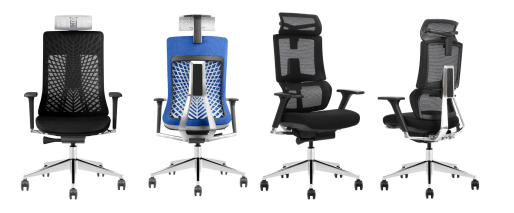
Frame, base, foam and mechanism quality can be as important to durability as the upholstery itself. A chair with premium leather may still have a short service life if its mechanism, base or structural components are unsuitable for the intended load and usage level.
For a full breakdown of each component and its function, see our guide to the parts of a chair. To learn how VASEAT engineers and tests its tilt mechanisms, visit the R&D mechanism page.
Main Office Chair Material Options
Mesh
Mesh is an open-weave synthetic material commonly used on office chair backrests and, in some models, on both the backrest and seat. Its main advantage is airflow, which helps reduce heat buildup during long working sessions.
High-quality mesh should provide sufficient elasticity and tension to support the user without sagging excessively. Mesh quality can vary depending on the fiber, weave density, edge construction and frame design, so buyers should evaluate more than appearance alone.
- Advantages: High breathability, modern appearance, low surface maintenance and good suitability for warm climates.
- Considerations: Lower-quality mesh may stretch, fray or lose tension after intensive use.
- Suitable applications: Open offices, call centers, shared workstations and commercial spaces where ventilation is important.
Buyers sourcing breathable seating can explore VASEAT’s mesh office chair range for different backrest heights, functions and project configurations.
Woven Fabric
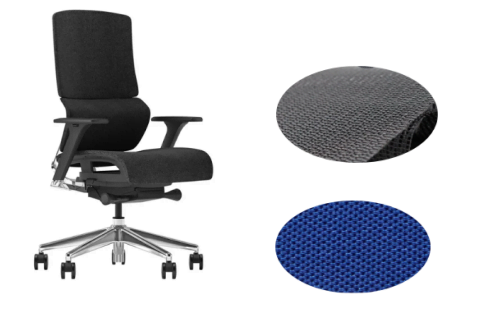
Woven upholstery may include cotton, wool, microfiber or blended synthetic fibers. Fabric chairs usually provide a softer and warmer surface than mesh, making them suitable for offices that prioritize cushioned comfort and a less technical appearance.
Fabric is available in a wide selection of colors, textures and weave patterns, which gives furniture brands and project designers greater flexibility. Many fabric office chairs combine upholstered seats with adjustable height, tilt, armrests and lumbar support.
- Advantages: Soft touch, broad color selection, comfortable cushioning and flexible design options.
- Considerations: Fabric can absorb dust, moisture, spills and odors more easily than wipe-clean materials.
- Suitable applications: Staff offices, meeting rooms, education spaces and workplaces requiring a warmer visual style.
Polyester
Polyester is one of the most widely used synthetic fibers for commercial office chair upholstery. It can be used alone or blended with other fibers to improve strength, color consistency and resistance to stretching.
Polyester is generally more affordable than genuine leather and can provide better stain resistance than some natural fabrics. Its exact durability depends on fabric weight, weave density, backing material and abrasion performance.
- Advantages: Durable, cost-effective, colorfast and available in many commercial finishes.
- Considerations: It is generally less breathable than open mesh and may retain more heat.
- Suitable applications: High-volume office projects, training rooms, staff seating and other cost-sensitive commercial environments.
Genuine Leather
Genuine leather is commonly associated with executive and premium office seating. It offers a distinctive texture and can develop a natural appearance over time when correctly maintained.
Leather is usually less breathable than mesh and requires suitable cleaning and conditioning. Quality can also vary substantially depending on the leather grade, finishing process and thickness.
- Advantages: Premium appearance, durable surface and strong suitability for executive interiors.
- Considerations: Higher cost, lower airflow and more specific maintenance requirements.
- Suitable applications: Executive offices, boardrooms and premium corporate environments.
Leather upholstery is often selected for an executive office chair or a custom office chair project requiring a particular finish, color or brand position.
PU Leather and Vinyl
PU leather and vinyl are synthetic alternatives designed to reproduce the appearance of leather at a lower cost. They are usually easier to wipe clean and can provide more consistent colors across larger production batches.
Material formulation is important because lower-quality synthetic leather may peel, crack or harden after repeated use or exposure to heat. Buyers should review surface durability, backing strength and cleaning requirements before confirming an order. Learn more about the differences in our guide to PU leather.
- Advantages: Easy cleaning, consistent appearance and lower cost than genuine leather.
- Considerations: Quality varies, and some materials may crack or peel under intensive use.
- Suitable applications: Reception areas, conference rooms, executive-style seating and projects requiring wipe-clean surfaces.
Specialty and Sustainable Materials
Commercial buyers may also consider recycled polyester, bio-based textiles, antimicrobial finishes, stain-resistant coatings or other specialty materials. These options can support particular sustainability, hygiene or performance requirements.
Specialty materials should not be selected based only on a marketing claim. Buyers should request technical data covering composition, abrasion performance, colorfastness, cleaning limitations and any applicable environmental or material documentation.
Office Chair Material Comparison
| Material | Breathability | Comfort | Durability | Maintenance | Typical Positioning | Relative Cost |
|---|---|---|---|---|---|---|
| Mesh | High | Supportive with limited cushioning | Good when tension and weave quality are suitable | Generally easy to clean | Modern and ergonomic | Medium to high |
| Woven Fabric | Medium | Soft and cushioned | Depends on weave and abrasion resistance | Requires regular vacuuming and stain care | Warm and versatile | Low to medium |
| Polyester | Low to medium | Comfortable and consistent | Generally good for commercial use | Relatively easy to maintain | Practical and cost-effective | Low to medium |
| Genuine Leather | Low | Premium surface feel | High when correctly maintained | Requires cleaning and conditioning | Executive and premium | High |
| PU Leather / Vinyl | Low | Smooth but less breathable | Varies significantly by formulation | Easy to wipe clean | Professional and accessible | Medium |
| Specialty Materials | Varies | Varies | Requires technical verification | Depends on finish and treatment | Sustainable or performance-led | Varies |
How to Choose Office Chair Materials for Commercial Projects
Climate and Breathability
Mesh is usually the strongest option for hot or humid offices because it allows more airflow. Upholstered fabric may be suitable for air-conditioned or cooler environments, while leather and PU surfaces can feel warmer during extended use.
Daily Usage and Abrasion Resistance
A chair used occasionally in a private office has different material requirements from one used across multiple shifts in a call center. For intensive commercial use, buyers should review abrasion resistance, seam construction, mesh tension, surface cracking resistance and replacement options.
Cleaning and Maintenance
Wipe-clean surfaces can be useful in reception areas, training facilities and shared environments. Fabric provides greater texture and color flexibility but generally requires more routine cleaning. Maintenance instructions should be confirmed before using disinfectants or chemical cleaners.
Color, Design and Branding
Furniture brands and project buyers should consider whether the selected material supports the intended color palette, texture and brand position. Woven fabric and polyester usually offer broader color flexibility, while mesh and leather finishes create different visual expectations.
Budget and Order Volume
Material cost should be assessed together with expected service life, cleaning requirements and replacement risk. A lower initial material price may not provide better value if it wears quickly in a demanding commercial environment.
Chair Structure and Ergonomic Support
Material alone does not determine whether a chair is ergonomic. Seat depth, lumbar support, backrest shape, tilt mechanism, armrest adjustment and frame strength all affect performance. VASEAT’s ergonomic office chair range combines different upholstery options with adjustable components for commercial seating applications.
Material Samples and Quality Checks
Before confirming a large order, buyers should request physical swatches or production samples whenever possible. Images alone may not accurately show texture, elasticity, thickness or color under different lighting conditions.
- Compare material color under natural and artificial lighting.
- Check mesh elasticity, recovery and edge construction.
- Review fabric weave density, backing and seam quality.
- Inspect PU or vinyl surfaces for flexibility, thickness and cracking resistance.
- Request applicable abrasion, colorfastness, flammability or material test information.
- Confirm whether the approved swatch will be used as the production reference.
Care and Maintenance by Material
- Mesh: Remove dust with a soft brush or vacuum attachment and wipe gently with a damp cloth. Avoid sharp tools that can damage the weave.
- Woven fabric: Vacuum regularly and treat spills promptly using a cleaner approved for the specific textile.
- Polyester: Follow the supplier’s cleaning instructions and avoid excessive moisture around the foam and seams.
- Genuine leather: Wipe with a soft cloth and apply a suitable leather conditioner when required. Avoid prolonged direct sunlight.
- PU leather and vinyl: Use mild cleaning products and avoid aggressive solvents that may damage the surface coating.
Office Chair Material FAQs
What materials are used in an office chair?
A typical office chair uses mesh, fabric, leather or PU leather for the upholstery, molded polyurethane foam for padding, nylon or reinforced plastic for the seat and back frames, a steel mechanism and gas lift, a nylon or aluminum five-star base, and nylon or polyurethane casters.
Which office chair material lasts the longest?
For upholstery, commercial-grade polyester and high-quality mesh can provide a long service life under intensive use, while genuine leather can also last well with proper care. For the structure, well-designed aluminum or reinforced nylon bases and steel mechanisms can all be durable when their materials, construction and testing are suitable. Overall chair lifespan depends more on the complete combination of upholstery, foam, mechanism, frame and base than on one material alone.
What is the best material for an office chair?
There is no single best material for every office chair. Mesh is suitable for airflow, fabric provides softness and color flexibility, leather supports premium positioning, and polyester can offer practical durability at a competitive cost.
Which office chair material is best for hot climates?
Mesh is usually the most suitable option for hot or humid environments because its open structure provides better airflow than solid fabric, leather or PU surfaces.
Is leather more durable than fabric?
High-quality genuine leather can provide a long service life when correctly maintained. However, commercial-grade woven fabrics and polyester can also perform well when their abrasion resistance, backing and seam construction are suitable for the application.
Does fabric upholstery absorb odors?
Some woven fabrics can retain moisture, dust and odors more easily than mesh or wipe-clean surfaces. Regular vacuuming, ventilation and prompt stain treatment help reduce buildup.
Should commercial buyers request material samples?
Yes. Physical samples allow buyers to verify color, texture, thickness, elasticity and cleaning suitability before approving mass production.
Is mesh always better than a cushioned fabric seat?
No. Mesh provides better airflow, while a molded foam seat with fabric upholstery may provide a softer, more familiar sitting surface. The preferred option depends on climate, sitting duration, user expectations and chair construction.
Conclusion
Selecting office chair materials requires balancing breathability, comfort, durability, maintenance, appearance and project cost. Mesh performs well in warm and intensive-use environments, woven fabric offers softness and design flexibility, polyester supports cost-effective commercial projects, and leather or PU surfaces suit executive and wipe-clean applications.
For bulk orders, material selection should be verified together with chair dimensions, structural features, samples and applicable test information. Explore VASEAT’s bulk office chair range or contact our team to discuss material options, product configurations and commercial project requirements.