Many libraries today face the same hidden problem: visitors cannot stay focused because the seating is uncomfortable, noisy, or simply not built for long study hours. A poorly engineered chair in library spaces leads to posture fatigue, constant shifting, and unnecessary noise that disrupts the quiet environment. For institutions—especially universities, public libraries, and corporate learning centers—this means decreased user satisfaction and higher maintenance or replacement costs.
This is why choosing the right library chair is no longer just a furniture decision. It directly affects how people learn, research, and collaborate. At Vaseat, we design ergonomic office chairs, visitor seating, and multi-purpose training chairs that meet the real functional demands of modern study environments.
The New Role of Library Seating in Modern Study Spaces
Libraries today are hybrid spaces: part digital workspace, part research center, part collaborative hub. As user behavior evolves, seating must evolve too. A well-engineered chair in library settings supports long study cycles, minimizes noise, and adapts to different zones—from silent reading areas to group study rooms.
Comfort and posture are no longer optional. When readers sit for hours at a time, chair ergonomics determine whether they remain focused or fatigued. Meanwhile, facility managers must consider durability and quiet performance, because library chairs endure hundreds of seating cycles every day.
What Makes a High-Quality Chair in Library Settings
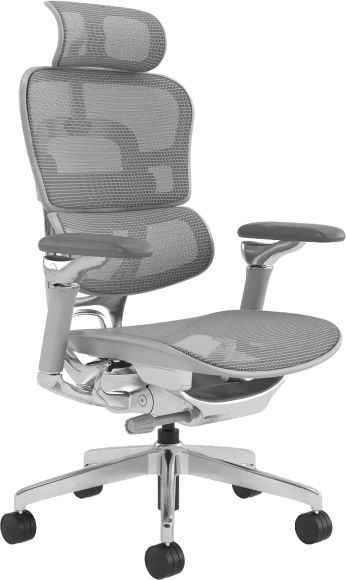
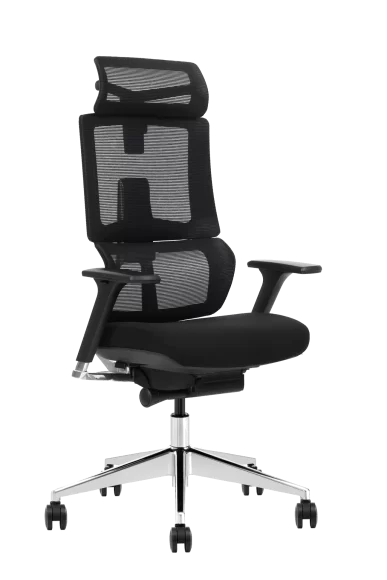
A strong library chair combines ergonomic design, durability, and acoustic stability. Mesh back office desk chairs offer breathable back support for long sessions, while visitor chairs provide quiet, stable seating for open reading areas. For flexible rooms and workshops, lightweight training chairs or silent swivel task chairs allow quick movement without disturbing others.
To make selection easier, here is a clear comparison of the most common seating types used in libraries:
Library Chair Types Comparison
| Chair Type | Ideal Zone | Key Benefits |
|---|---|---|
| Ergonomic Mesh Office Chair | Study carrels & computer stations | Long-hour comfort, breathable support, adjustability |
| Visitor / Guest Chair | Quiet reading areas | Stable, silent, supportive |
| Swivel Task Chair | Collaboration rooms & digital labs | Mobility, interaction-friendly |
| Multi-Purpose Training Chair | Flexible classrooms & seminar spaces | Stackable, lightweight, easy to reconfigure |
How to Match Chairs with Different Library Zones
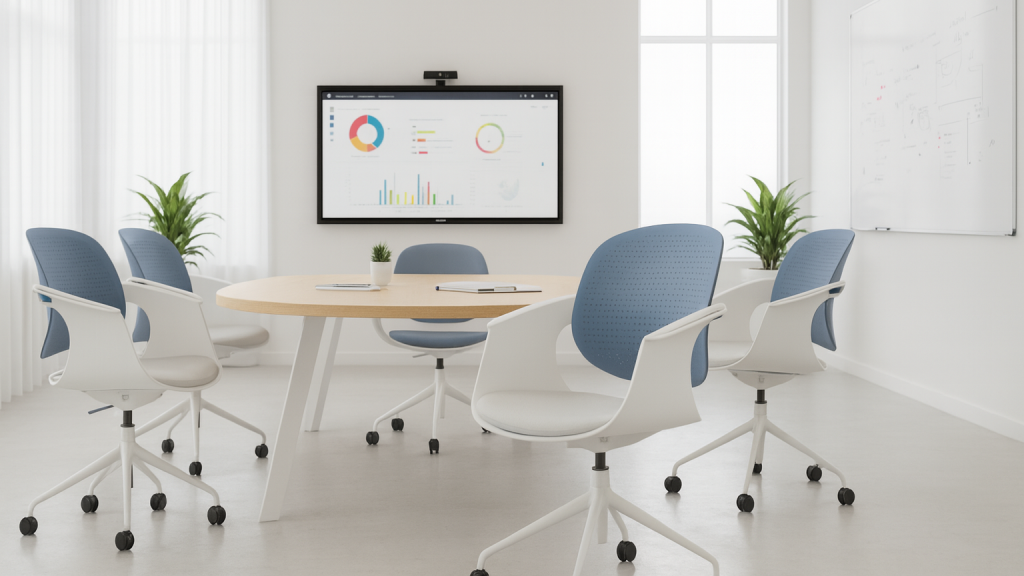
Each area of a library has unique requirements, and choosing the right chair means understanding how people actually use the space. Individual study desks benefit from compact ergonomic chairs that help maintain posture without taking up space. Computer zones require height-adjustable task chairs that work for users of different sizes. Group study spaces need mobile seating that supports natural interaction, while multi-function rooms require chairs that staff can rearrange in minutes.
When evaluating options, decision-makers should focus on these core priorities:
What to Prioritize When Choosing a Chair in Library
- Ergonomic structure that supports long, uninterrupted study sessions
- Quiet movement and a stable frame that protects the acoustic environment
- Durable, commercial-grade materials that withstand heavy daily use
- Mobility, stackability, or swivel capability depending on the zone
- Breathable mesh or soft-touch materials for optimal comfort
These priorities ensure seating decisions are not based only on appearance, but on actual performance in real library conditions.
Why Institutions Choose Vaseat for Library Seating
Educational and public institutions require seating that can endure constant use without losing comfort or stability. Our chairs are built with reinforced frames, high-density foam, wear-resistant mesh, and noise-controlled hardware—features designed specifically for high-traffic environments. Our experience supplying ergonomic and multi-purpose seating for offices and learning facilities allows us to provide library chairs that stay comfortable, stay silent, and stay reliable for years.
For planners looking to upgrade or expand study areas, Vaseat provides a balanced combination of ergonomic performance, modern aesthetics, and long-term durability—key elements that positively shape user experience.
Conclusion
A well-selected chair in library environments enhances concentration, supports healthy posture, and allows users to stay engaged for longer periods. By choosing chairs that match the unique needs of each study zone—quiet reading, collaborative work, digital research, and flexible learning—libraries create spaces where comfort directly contributes to learning outcomes.
Vaseat’s ergonomic, durable, and quiet seating solutions help institutions build study environments that feel modern, comfortable, and genuinely supportive of academic performance. The right chair doesn’t just fill a room—it elevates the entire learning experience.