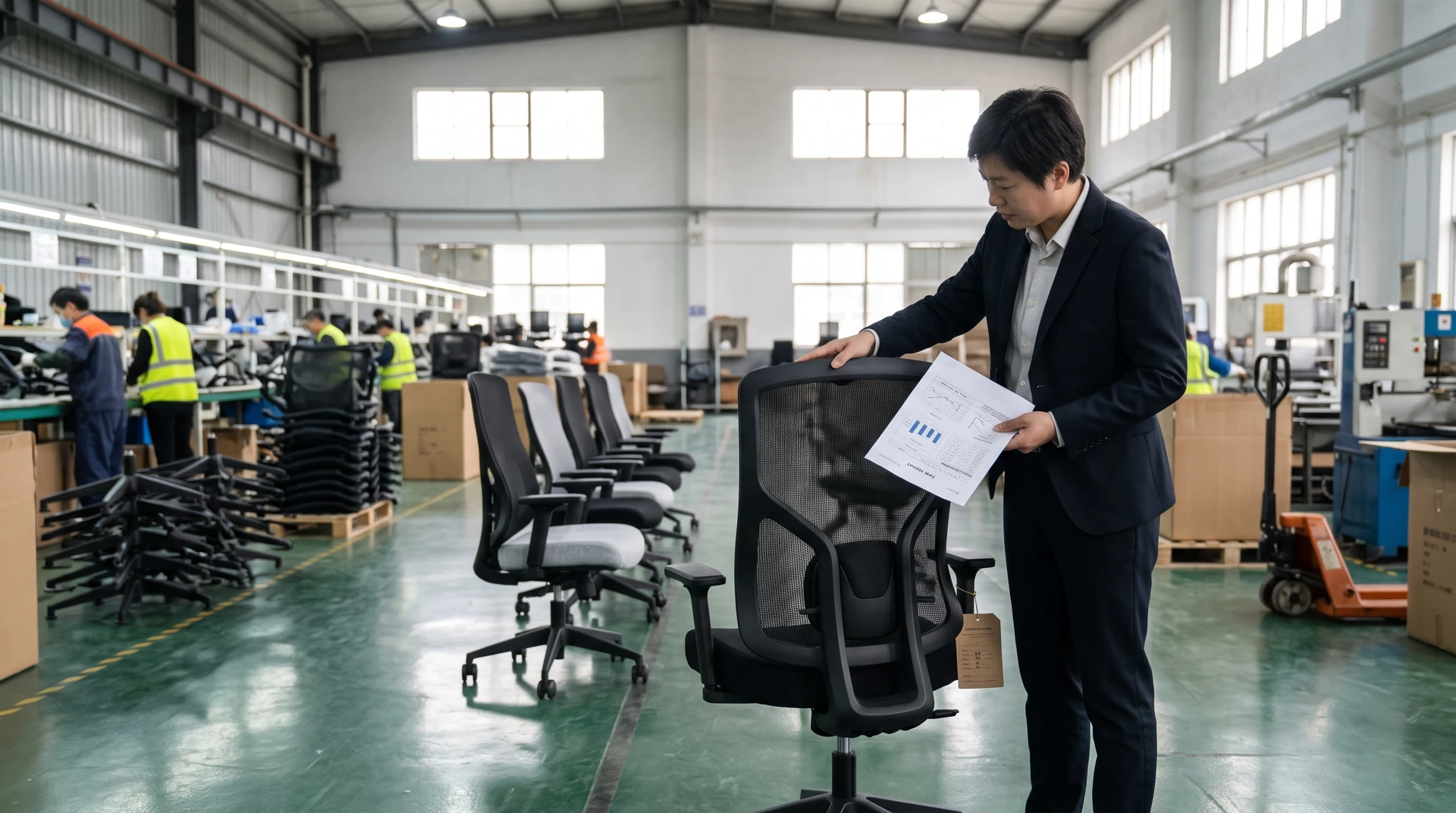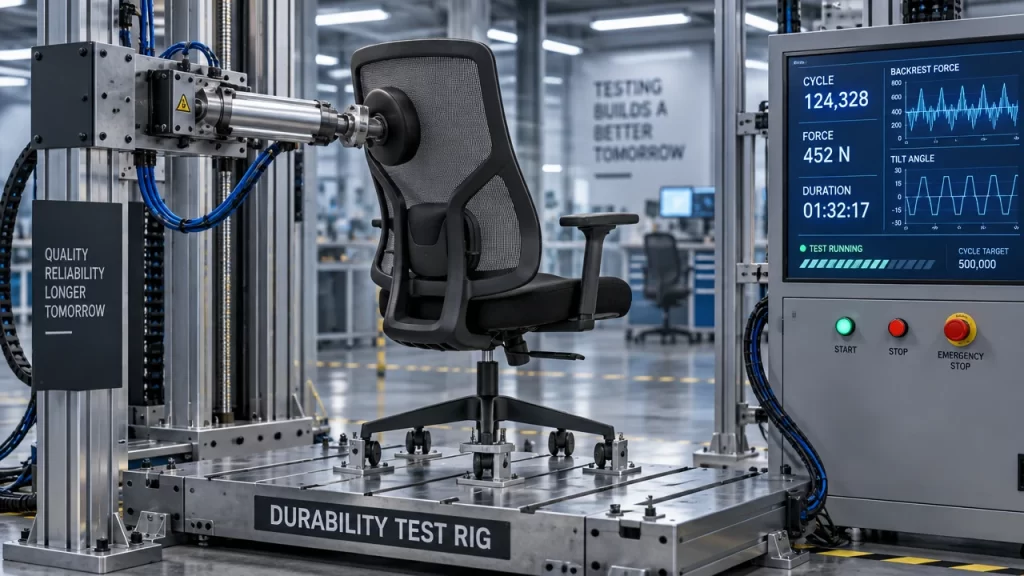
Manufacturers prove a chair survives five years of daily use by running it through cycle testing — machines that repeat a specific motion (sitting, tilting, rolling, leaning on the arms) tens or hundreds of thousands of times while tracking exactly where and how the chair fails. A chair that passes 120,000 back-tilt cycles without cracking a bracket has effectively simulated years of real office use compressed into days of lab time. If a supplier can’t show you these numbers, they’re guessing about durability — not proving it.
What Cycle Testing Actually Measures
Here’s the thing most buyers get wrong: a chair’s warranty period tells you what the manufacturer will replace, not how the chair was engineered. Cycle testing is the engineering proof. It’s a controlled, repetitive stress test where a machine performs one motion — sit-stand, recline, roll, lean — thousands of times in a row, and technicians check for cracks, sag, loosening, or mechanical failure at set intervals.
Five years of daily office use, assuming someone sits down and stands up roughly 8-10 times a day, adds up to somewhere around 15,000-20,000 sit cycles. But BIFMA and EN 1335 testing protocols run chairs through far higher counts — often 100,000+ — because commercial chairs need a safety margin well beyond typical single-user wear. A hot-desking chair used by three different people a day burns through that margin much faster than a private office chair, which is exactly why task chairs built for shared use need heavier-duty ratings than standard desk chairs.
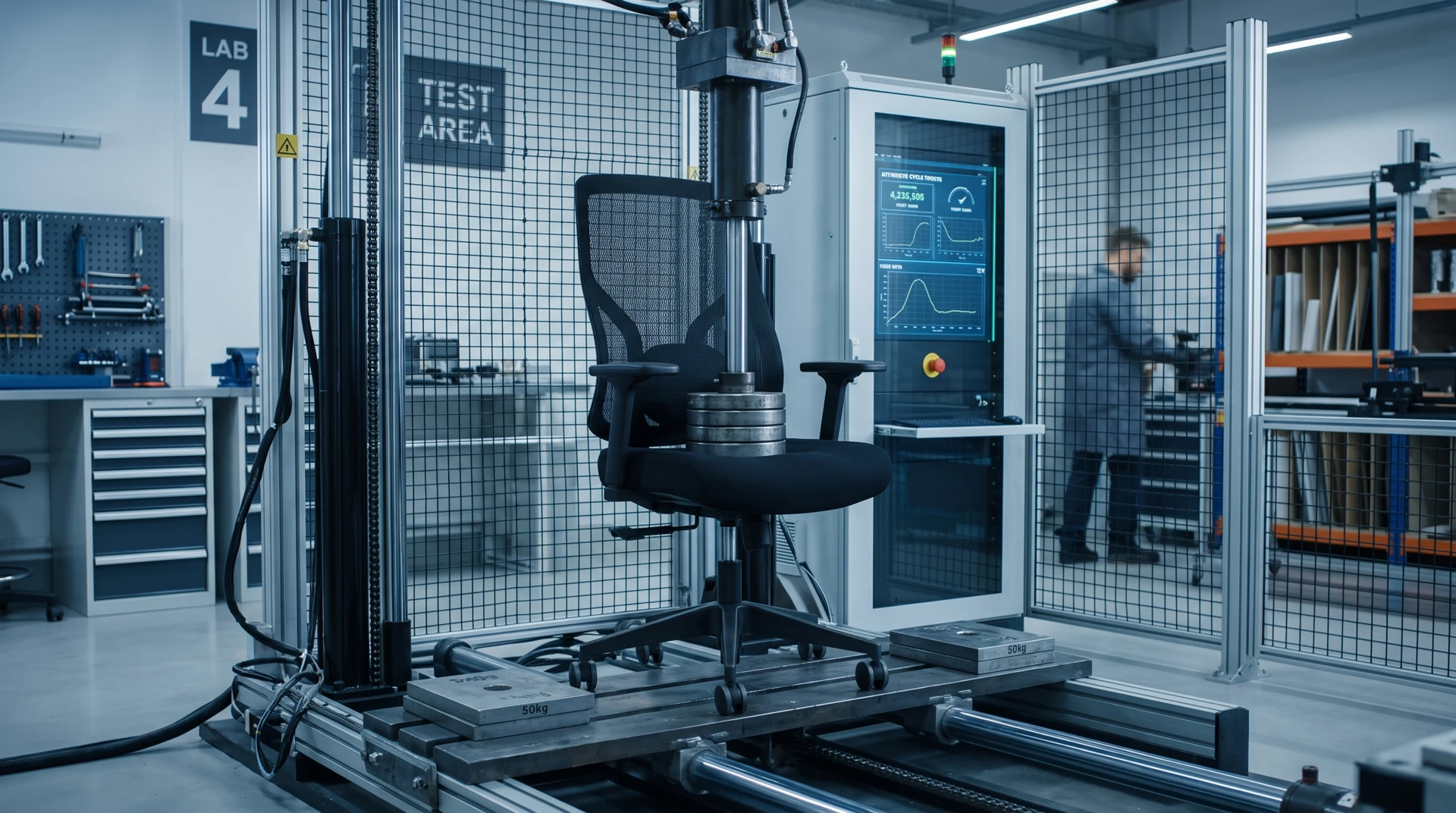
The Five Core Tests Every Commercial Chair Should Pass
Not all cycle tests are created equal, and a spec sheet that just says “passed durability testing” tells you almost nothing. Ask which specific tests were run.
Seat and Backrest Fatigue
A weighted plate — usually simulating 200-275 lbs — drops onto the seat repeatedly, often 100,000 times, checking for foam compression, frame cracking, or upholstery tearing.
Back Strength and Recline Fatigue
This isolates the backrest, pushing it backward and releasing it 60,000 to 120,000 times to catch bracket failure or backrest sag before it happens in the field.
Caster and Base Rotation
Casters roll under load across a test surface for 200,000+ revolutions. This is where cheap nylon casters often fail — cracking or flat-spotting long before the chair frame does.
Tilt Mechanism Cycling
The synchro-tilt or multi-tilt mechanism reclines and returns to upright thousands of times to confirm the tension spring and locking positions hold up. If you want the mechanical breakdown of how these systems work, it’s worth reading more on synchro-tilt and multi-tilt mechanisms before comparing suppliers.
Armrest Load Testing
Armrests take repeated downward force — people lean on them constantly — and this test catches weak brackets long before a customer complaint does.
Why a Five-Year Claim Is Really a Cycle Count in Disguise
When a manufacturer says a chair is “rated for five years,” that number comes from converting cycle counts into estimated real-world years — and the conversion assumptions matter a lot. A factory might calculate five years based on a single user sitting 8 hours a day, 5 days a week. Change the usage pattern to a 24/7 call center with three shifts, and that same chair’s real lifespan could shrink to under two years.
This is exactly why call center and coworking operators need to spec differently than a private office. A chair engineered around 15,000 annual sit-cycles simply isn’t built for an environment generating 40,000+ cycles a year. If you’re sourcing for shared or high-turnover seating, ask the supplier what usage assumption their durability rating is based on — not just the number on the sheet.
Real-World Example: How a 300-Seat Coworking Order Got Re-Specced
A coworking operator once ordered 300 task chairs rated for “standard 8-hour office use” without checking the underlying cycle data. Within 14 months, over 60 chairs had sagging backrests and loose armrests — the mesh backrest test had only been run to 40,000 cycles, nowhere near enough for a space where chairs rotate through 4-5 different members a day.
The fix wasn’t a different chair color or a cheaper replacement — it was re-specifying to a model tested to 100,000+ back-fatigue cycles and reinforced arm brackets rated for heavier daily loading. The lesson: shared-use environments need cycle counts closer to double what a single-tenant office chair requires, and that number should be on the spec sheet before the PO is signed, not discovered after the complaints start.
BIFMA, EN 1335, and Why the Standard You Reference Changes the Test
BIFMA X5.1 (North America) and EN 1335 (Europe) don’t test chairs identically — the cycle counts, weight thresholds, and pass/fail criteria differ enough that a chair “certified” under one standard isn’t automatically compliant with the other. BIFMA’s back durability test, for example, typically demands more cycles at a higher back-load force than EN 1335’s baseline test, though EN 1335 has stricter static load requirements for seat and backrest strength.
For importers and distributors selling into multiple regions, this isn’t a technicality — it determines whether your product listing is even legally accurate in a given market. If you’re building out a bulk order for a multi-region distribution deal, it’s worth reviewing which standard applies before finalizing specs, not after the container ships.
What Happens When a Chair Fails a Cycle Test
Failure isn’t always dramatic — it’s rarely a chair collapsing mid-test. More often it’s a slow degradation: the tilt tension starts drifting after 80,000 cycles, or the mesh backrest develops visible sag at 50,000 when the spec called for 100,000. Reputable factories log these failure points and redesign the weak component — usually a bracket, a weld point, or the mesh weave density — rather than just lowering the advertised cycle rating.
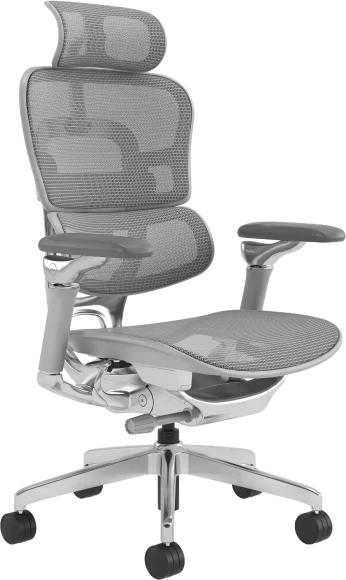
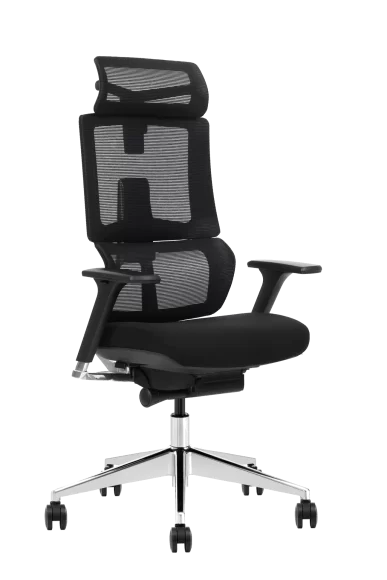
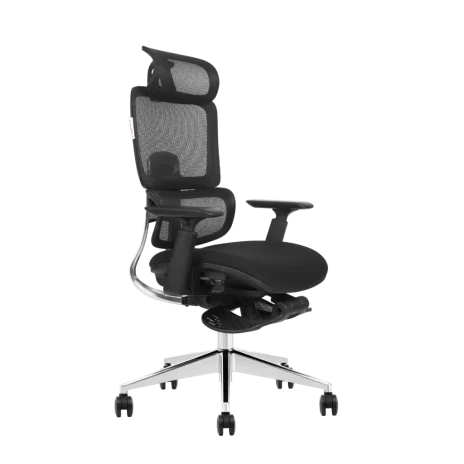
This is also where good ergonomic chair construction and durability testing intersect. A chair can have excellent lumbar geometry on paper and still fail early if the frame or mechanism wasn’t tested to match the intended use case. Function and durability are separate engineering questions, and both need answers before a bulk order goes out.
Questions to Ask Before You Trust a Durability Claim
A five-year warranty and a five-year cycle-tested rating are not the same promise. Before signing off on a bulk order, ask suppliers directly:
- Which standard was the chair tested against — BIFMA, EN 1335, or an internal factory protocol?
- What were the actual cycle counts for seat, back, tilt, and caster tests?
- What usage assumption (hours/day, users/day) was used to convert cycle counts into the “years” claim?
- Can they provide third-party lab test reports, not just internal QA sheets?
If a supplier hesitates or can’t produce documentation, treat the durability claim as marketing, not engineering. This is one of the details worth confirming during a factory audit or trade show visit, before committing to a large purchase order.