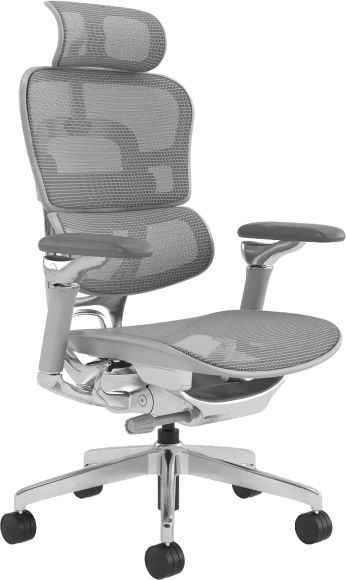
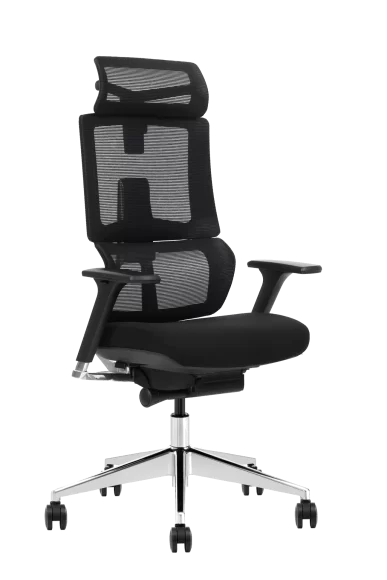
Mesh and foam office chairs provide very different seating experiences. Mesh uses a tensioned woven surface that promotes airflow, while foam provides a cushioned seat that compresses under the user’s weight. Neither option is automatically better—the right choice depends on climate, daily usage, maintenance requirements, user preferences and the quality of the chair construction.
In this guide, “foam office chair” also includes what buyers commonly call a cushioned office chair—a padded seat upholstered in fabric, leather, PU or another covering. Therefore, this comparison also answers the common question of mesh vs cushion office chair. For commercial sourcing, buyers should evaluate the foam or mesh specification together with the chair frame, seat dimensions, adjustment functions and applicable test information.
Explore VASEAT’s mesh office chair range for OEM, wholesale and commercial project configurations, or review our complete office chair materials guide for leather, fabric, PU and other upholstery options.
The Core Difference Between Mesh and Foam Chairs
Mesh and foam support the body through different material structures. Understanding this distinction helps buyers compare comfort and durability more accurately.
Mesh: A Tensioned Support Surface
Mesh office chairs use woven synthetic fibers stretched across a supporting frame. The surface flexes under load and distributes pressure through the tension of the weave rather than through a thick layer of cushioning.
Mesh performance depends on fiber quality, weave density, elasticity, edge construction and frame design. Some chairs use different tension zones to provide firmer support in the lumbar or seat area and greater flexibility around the shoulders and edges.
Foam: A Compression Cushion
Foam seats contain a cellular structure that compresses under body weight and then recovers when the user stands. Common options include molded polyurethane foam and memory foam. Polyurethane foam typically provides a more responsive feel, while memory foam conforms more closely to the user and recovers more slowly.
Foam density, resilience, thickness and molding quality influence how long the seat maintains its shape. Buyers comparing foam chairs should request the foam specification rather than judging quality only by how soft the seat feels during an initial trial.
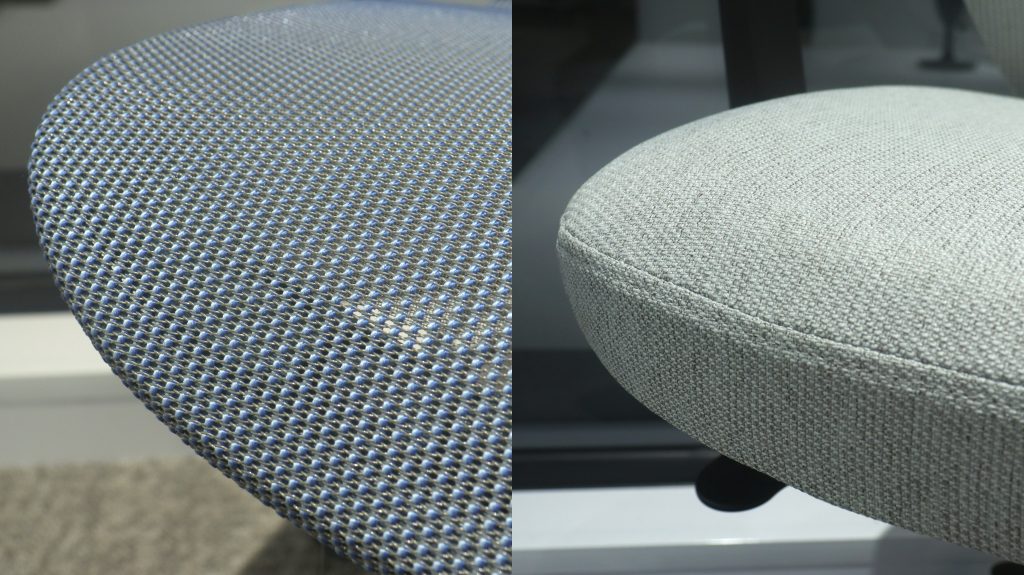
Mesh vs. Foam or Cushioned Office Chair Comparison
| Comparison Factor | Mesh Office Chair | Foam or Cushioned Office Chair |
|---|---|---|
| Breathability | High airflow through the open weave | Lower airflow, depending on upholstery and seat construction |
| Initial Feel | Firmer and more tensioned | Softer and more cushioned |
| Long-Term Support | Depends on mesh tension and frame quality | Depends on foam density, resilience and thickness |
| Heat Management | Well suited to warm or humid environments | Provides greater insulation in cooler environments |
| Cleaning | Dust can usually be vacuumed or wiped from the surface | Cleaning depends on the upholstery; spills may reach the foam beneath |
| Appearance | Modern, technical and visually lightweight | Broader choice of colors, textures and upholstered finishes |
| Common Applications | Task seating, shared offices and long-use workstations | Executive offices, meeting rooms, reception spaces and general staff seating |
| Main Quality Risk | Loss of tension, fraying or edge damage | Compression, reduced resilience or upholstery wear |
Durability: Which Material Lasts Longer?
It is not accurate to assign one fixed lifespan to all mesh or foam office chairs. Material quality, usage intensity, user weight, frame construction and maintenance practices can create substantial differences between products.
How Mesh Wears Over Time
Mesh does not compress like foam, but it can gradually stretch, lose tension or develop damaged fibers. High-quality mesh supported by a well-designed frame can maintain a consistent surface for extended commercial use. Lower-grade mesh may sag or loosen more quickly, particularly around the seat edge or other high-pressure areas.
Mesh durability should be evaluated through tension recovery, abrasion resistance, seam or edge construction and any applicable material test results.
How Foam Wears Over Time
Foam repeatedly compresses during use. Over time, lower-quality foam may lose thickness or resilience and develop a permanent depression. The rate of change depends on foam density, formulation, seat thickness, user load and sitting duration.
Molded commercial-grade foam can provide reliable performance when correctly specified. Buyers should request the foam density and relevant durability information before approving a large order.
Material wear is only one reason a chair may require replacement. Mechanisms, gas lifts, casters, armrests and structural components should also be considered. See our guide on when to replace an office chair for additional evaluation factors.
Comfort During Short and Long Sitting Sessions
Foam often creates a softer first impression, while mesh provides a firmer and more ventilated surface. However, comfort is subjective and should not be judged by material alone.
Foam and Cushioned Comfort
A foam seat distributes pressure through its cushioning and can feel comfortable immediately. This makes foam chairs suitable for users who prefer a softer surface or for visitor and meeting areas where the chair is used for shorter periods.
Comfort can decline if the foam is too soft, too thin or permanently compressed. A seat that allows the user to feel the supporting board or frame beneath the cushion will no longer distribute pressure effectively.
Mesh and Tensioned Support
Mesh seats and backrests generally feel firmer. A correctly tensioned surface can distribute pressure without relying on thick padding, but a poorly designed edge or overly tight mesh may feel uncomfortable behind the knees or around the thighs.
For long-use workstations, buyers should evaluate seat shape, front-edge flexibility and tension distribution in addition to the mesh material itself.
Breathability and Temperature Control
Breathability is one of the clearest differences between mesh and foam office chairs. The open structure of mesh allows heat and moisture to disperse through the seat or backrest. This is particularly useful in warm climates, crowded offices and workspaces with limited air circulation.
Foam provides more insulation because the cushion and upholstery limit airflow. This can feel warmer during extended sitting, but it may be preferable in colder environments or heavily air-conditioned offices.
Upholstery also matters. A foam seat covered in breathable woven fabric will generally manage heat better than one covered in leather or PU, even though both seats use foam internally.
Does the Material Affect Ergonomic Support?
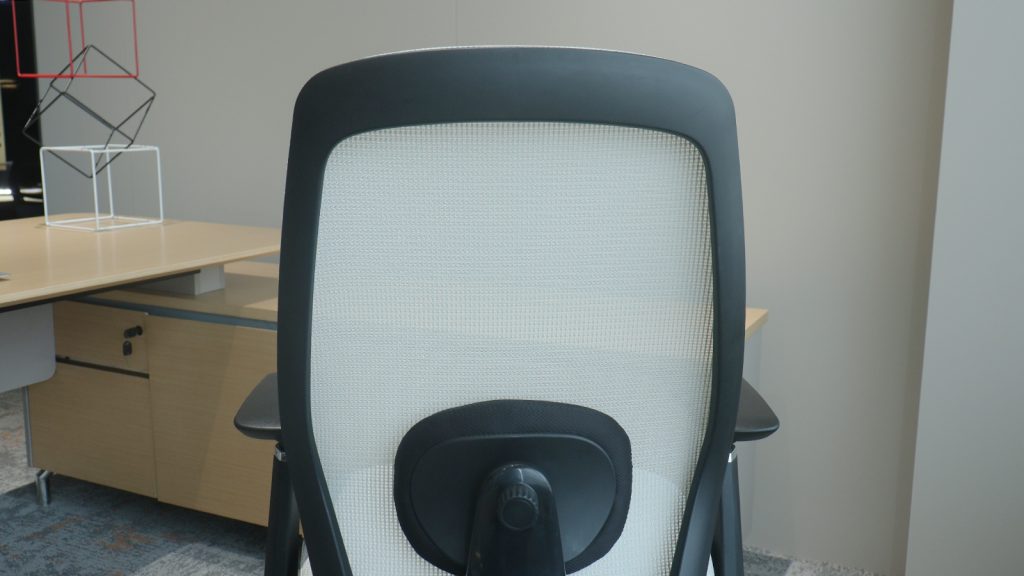
Material affects how support is delivered, but it does not determine whether a chair is ergonomic. Seat depth, lumbar adjustment, backrest shape, tilt mechanism, armrest position and overall fit are usually more important than whether the chair uses mesh or foam.
Mesh and Adaptive Contouring
Mesh can flex as the user changes position. Chairs with controlled tension zones may provide different levels of support across the backrest or seat. The mesh must still be supported by an appropriate frame and lumbar structure to maintain consistent support.
Foam and Shaped Cushioning
Molded foam can be shaped to support the thighs and pelvis. Its effectiveness depends on whether the contour and dimensions suit the intended user group. A seat designed around one body size may not fit every employee equally well.
Either material can be used in an ergonomic office chair when combined with suitable seat dimensions, lumbar support, tilt functions and armrest adjustment. Explore VASEAT’s ergonomic office chair range to compare mesh, foam and mixed-material configurations.
Maintenance and Cleaning
Maintaining a Mesh Chair
Mesh surfaces can usually be cleaned with a vacuum attachment, soft brush or damp cloth. Spills should still be addressed promptly because liquid may pass through the mesh and reach components beneath the seat.
Sharp objects and aggressive scrubbing should be avoided because they can damage the woven fibers or loosen the edge attachment.
Maintaining a Foam or Cushioned Chair
The cleaning method depends on the upholstery covering the foam. Fabric may require vacuuming and stain treatment, while leather and PU can usually be wiped using a cleaner approved for the material.
Liquid that penetrates the upholstery may be absorbed by the foam and become harder to remove. For shared workstations, buyers should consider removable covers, stain-resistant fabrics or replaceable seat pads.
Appearance and Workspace Design
Mesh chairs usually create a modern, technical appearance and can make office seating look visually lighter. Black, grey and neutral mesh finishes are common in open-plan and contemporary workspaces.
Cushioned chairs provide greater freedom in upholstery color, pattern and texture. Fabric can support corporate color schemes, while leather and PU are frequently used for executive, conference and reception seating.
For branded or coordinated projects, foam upholstery may provide more visual customization. Mesh chairs can also be customized through frame colors, mesh colors and mixed-material configurations.
Cost and Total Ownership
Price depends more on product quality and configuration than on material alone. A high-performance mesh chair can cost more than a basic upholstered task chair, while a premium molded-foam executive chair may cost more than many mesh models.
Commercial buyers should evaluate:
- Initial unit cost and order quantity
- Expected daily usage and number of shifts
- Material and component warranty
- Cleaning and maintenance requirements
- Availability of replaceable seats, backrests or upholstery
- Expected replacement cycle under the intended application
A low initial price does not necessarily result in a lower total ownership cost if the material loses support or appearance quickly under commercial use.
When a Foam or Cushioned Chair Is the Better Choice
Shorter Sitting Sessions
Foam chairs are well suited to meeting rooms, reception areas, guest spaces and other environments where users sit for shorter periods. Immediate cushioning can create a comfortable first impression without requiring the same heat management as an all-day workstation.
Cool or Air-Conditioned Workspaces
The insulating quality of foam can be beneficial in cooler environments where a highly ventilated mesh seat may feel too cold.
Design and Color Requirements
Cushioned chairs offer more upholstery options for projects requiring specific colors, textures or a softer visual style. This can be important in hospitality, education, executive and customer-facing environments.
When a Mesh Chair Is the Better Choice
Warm or Humid Environments
Mesh provides greater airflow and can help reduce heat buildup during long working sessions.
Shared and High-Use Workstations
Mesh can be practical for call centers, shared offices and hot-desking environments where chairs are used by multiple people and require straightforward surface maintenance.
Buyers Seeking Firmer Support
Users who prefer a more tensioned sitting surface may find mesh more supportive than thick, soft cushioning. The seat edge and tension should still be tested for comfort across the intended user population.
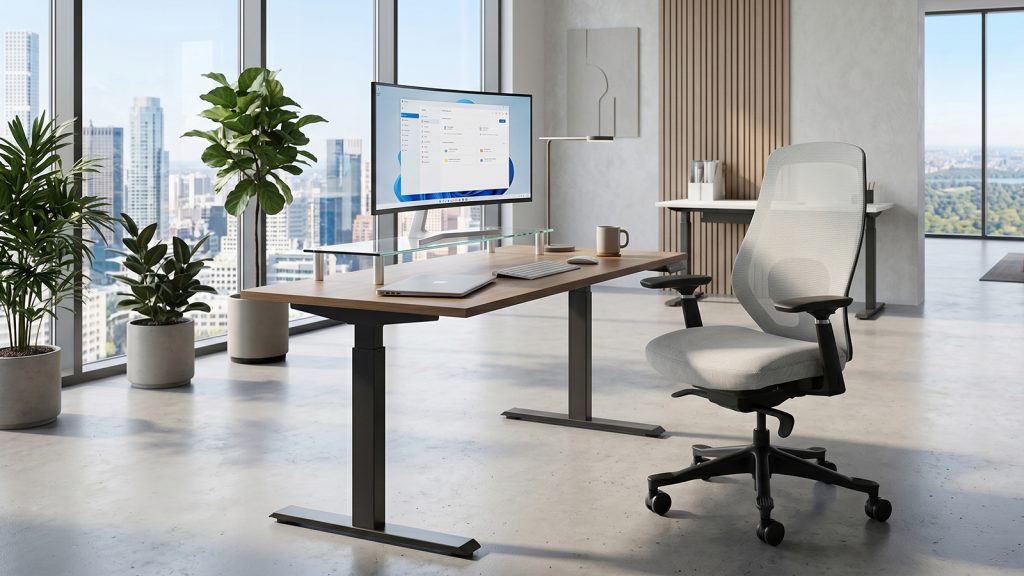
Should You Choose a Hybrid Office Chair?
Many commercial ergonomic chairs combine a mesh backrest with a molded foam seat. This configuration provides airflow around the back while retaining a cushioned sitting surface beneath the thighs and pelvis.
A hybrid design may be suitable when buyers want:
- Breathable back support
- A softer upholstered seat
- More color and fabric options
- A familiar sitting experience for a broad employee group
- Replaceable seat or backrest components
This mixed construction is common in the office chairs used in corporate workplaces because it balances ventilation, cushioning and project flexibility.
What Commercial Buyers Should Check
- Mesh specification: Fiber composition, weave, elasticity, edge attachment and tension recovery.
- Foam specification: Foam type, density, resilience, thickness and molding process.
- Upholstery: Fabric composition, abrasion resistance, colorfastness and cleaning instructions.
- Seat dimensions: Width, depth, front-edge shape and available seat-depth adjustment.
- Usage conditions: Daily sitting time, number of shifts, climate and expected user range.
- Samples: Physical material swatches and complete chair samples before mass production.
- Testing: Applicable material, component and complete-chair test reports.
Mesh vs. Foam Office Chair FAQs
Is mesh more durable than foam?
High-quality mesh can maintain its tension for extended commercial use, while foam may gradually lose thickness and resilience. However, poor-quality mesh can sag earlier than well-specified molded foam. Material grade and construction are more important than the category name alone.
Is a mesh chair better for long working hours?
Mesh can be useful for long sitting periods because it provides airflow and a firm support surface. The chair must also offer suitable lumbar support, seat depth, tilt and armrest adjustment.
Is a foam chair more comfortable?
Foam usually feels softer when first used, but comfort depends on foam quality, seat shape and user preference. Some users prefer the firmness and ventilation of mesh.
Are cushioned and foam office chairs the same?
Most cushioned office chairs use foam beneath an outer covering such as fabric, leather or PU. The upholstery affects appearance and maintenance, while the foam provides the primary cushioning.
Which material is easier to clean?
Mesh is generally easy to vacuum or wipe, although spills can pass through it. Foam-chair maintenance depends on the upholstery. PU and vinyl are easier to wipe than woven fabric, while removable covers can simplify deeper cleaning.
Should buyers request material samples?
Yes. Swatches and complete chair samples help buyers evaluate mesh tension, foam firmness, upholstery texture, color and comfort before confirming a commercial order.
Conclusion
Mesh office chairs are generally better suited to buyers prioritizing airflow, firm support and warm-climate performance. Foam and cushioned chairs provide a softer sitting surface, broader upholstery options and strong suitability for meeting, reception and executive environments.
For many commercial projects, a mesh backrest combined with a molded foam seat provides a practical balance. Regardless of material, buyers should prioritize chair dimensions, adjustability, structural quality and verified material specifications. Contact VASEAT to discuss mesh, foam and hybrid office chair configurations for OEM, wholesale or project supply.