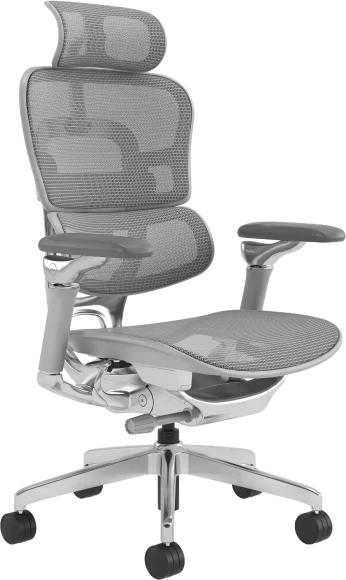
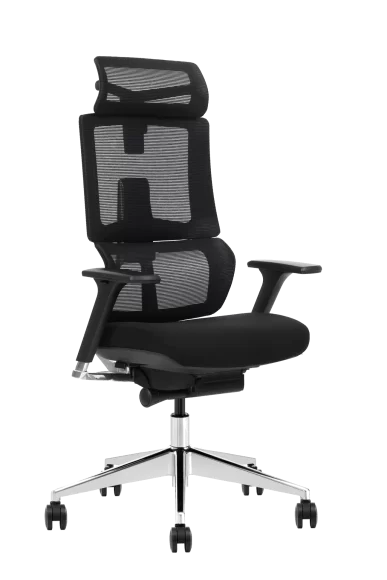
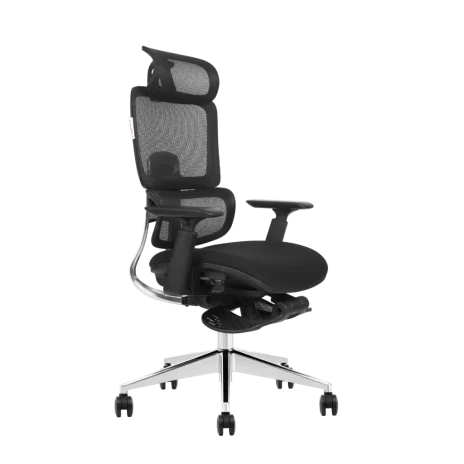
After three days on the floor at our last exhibition, the pattern was obvious: buyers ask about price, warranty, and lead time far more than they ask about ergonomics, testing certifications, or component suppliers — even though those three quieter topics are what actually decide whether a chair survives five years in the field. This post breaks down the real questions we fielded at the Vaseat booth, the answers we gave, and the questions we wish more procurement teams would put on their checklist.
If you’re sourcing seating — for a dealership, a corporate rollout, or a single office — these notes will save you a few painful conversations later.
The #1 Question: “What’s Your Price at [X] Units?”
Every single buyer asked this within the first 90 seconds. Fair — it’s their job. But the follow-up question almost no one asked was more telling: what does that price actually include?
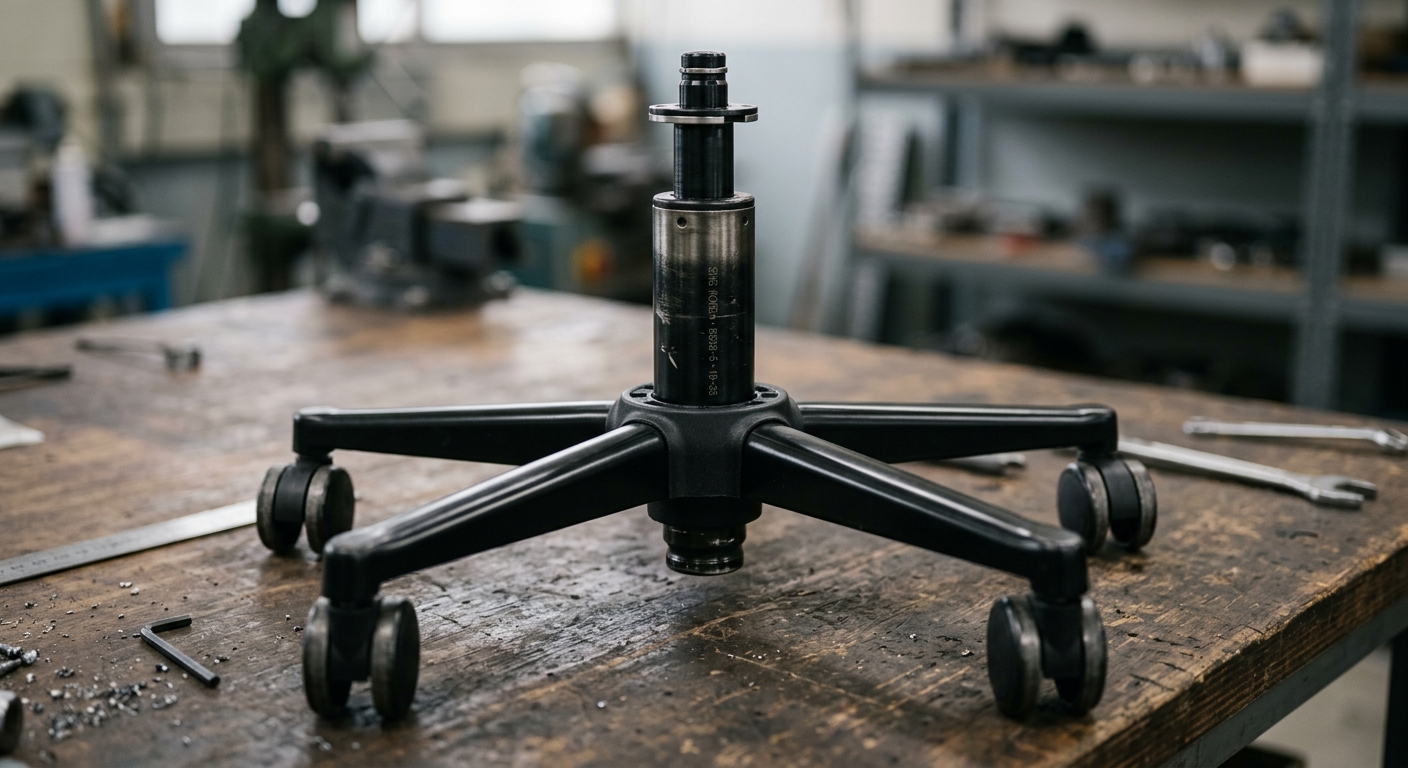
A quote that looks 12% cheaper often strips out the things you need: a Class 4 gas cylinder instead of Class 3, double-stitched seat cushions, BIFMA-tested bases, export-grade cartons that survive ocean freight. We had one buyer from a European dealership who compared two quotes side by side at the booth. The cheaper one was using a 60mm PU wheel and a no-brand cylinder; ours used branded components with documented cycle testing. Once we broke it down line by line, the “expensive” quote was actually 4% cheaper per usable year.
Ask for a bill of materials, not just a unit price. If a supplier can’t produce one on the spot, that’s the answer.
Warranty Questions That Sound Thorough but Aren’t
“How long is your warranty?” is a bad question on its own. A five-year warranty that requires the buyer to ship a broken chair back to China at their own cost is worse than a two-year warranty with free local replacement parts.
The questions that separated the experienced buyers from the new ones at our booth:
- Does the warranty cover the gas lift, the mechanism, and the fabric — or just the frame?
- Who pays return freight on a failed unit?
- What’s your documented failure rate on the last 12 months of production?
- Do you stock spare parts in my region, or do I wait six weeks for a replacement caster?
One facility manager sourcing for a 300-desk call center asked us for our RMA rate by SKU. That’s the right question. For context on what actually goes wrong with chairs over time, our breakdown on squeaky desk chair causes and fixes covers the small failures that pile up into warranty claims.
The Mesh vs. Foam Debate at the Booth
We had two chairs side by side — a high-back mesh task chair and a molded-foam executive chair — and almost every visitor sat in both. The question we got most: “Which one is better?” The honest answer: neither, they solve different problems.
Mesh wins on heat dissipation and looks modern, but cheap mesh stretches and sags within 18 months. Foam holds shape longer if the density is right (we spec 45–55 kg/m³ for task chairs; anything under 35 collapses fast), but it traps heat in warm climates. A distributor from the Middle East sat in both and immediately understood why his returns on molded-foam chairs had spiked the previous summer — his end users were sweating through them. He switched half his order to mesh.
The deeper answer lives in our office chair materials guide, but the short version is: match the material to the climate and sitting duration, not the Instagram photo.
Lumbar Support: The Most Misunderstood Spec
“Does it have lumbar support?” Every buyer asks. Almost no one asks where, how adjustable, or how firm.
A fixed lumbar bump at 22cm from the seat pan works for someone 175cm tall and fails everyone else. Adjustable height lumbar (we build ours with a 7cm vertical travel range) is the feature that actually does what buyers think they’re getting. Depth adjustment matters even more for taller users — a lumbar curve you can’t push forward is decorative.
If you’re specifying chairs for a mixed workforce, this is non-negotiable. Our deep dive on where lumbar support should actually sit gives you the measurements to hand to your supplier. Show up at the next trade show with those numbers and you’ll instantly filter out the vendors who are winging it.
MOQs, Customization, and the Questions Dealers Always Ask
Dealers and distributors have a completely different question set than end users. Their top three at our booth:
- What’s the MOQ per color and per SKU?
- Can I put my logo on the backrest, and what does that cost?
- How quickly can you turn a sample around?
For reference, our standard MOQ is 100 pieces per model, but color splits typically need 50 per color to justify the fabric cut. Logo embroidery or injection-molded branding on the back panel adds roughly 7–14 days to lead time and a tooling fee for the first run.
For example, a Southeast Asian dealer we spoke to wanted four colors across two models for a co-working chain. Instead of running four separate 100-piece orders, we consolidated into a single 500-piece production window with staggered fabric swaps, cutting his total lead time by about three weeks. That kind of planning only happens if the dealer asks the right question: “How do I combine orders to reduce lead time?” — not just “What’s the MOQ?”
The Certifications Question Almost No One Asked Correctly
We had BIFMA, EN 1335, and GB/T test reports printed and displayed on the booth wall. Maybe one in ten visitors asked about them. Of those, half couldn’t tell us which standard applied in their market.
This matters because a BIFMA X5.1 pass doesn’t automatically satisfy a European tender that specifies EN 1335. They test different things — BIFMA leans heavier on durability cycling, EN 1335 on dimensional ergonomics. If you’re bidding public-sector work in Germany, a BIFMA certificate alone may disqualify you.
The one buyer who impressed us most was a procurement officer from a Nordic government contractor. He walked up with a printed spec sheet and asked which specific clauses of EN 1335-2 our chair passed, and wanted the lab’s accreditation number. That’s the level of scrutiny that should be standard — and rarely is.
Lead Time and Shipping — Where Deals Fall Apart
“When can you ship?” got asked constantly. “What happens if a component is delayed?” got asked twice, by the same buyer.
Here’s the reality of office chair production: the chair itself takes about 21–28 days to build. The bottleneck is almost always a single component — gas cylinders, specific fabric colorways, or a mechanism base. Suppliers who hold buffer stock of critical components ship on time; suppliers who order just-in-time send apologetic emails in week five.
Ask your supplier: what’s your safety stock level on gas lifts and mechanisms? If the answer is “we order as needed,” factor an extra two weeks into your timeline. For a 500-seat corporate fit-out, that delay can shift an entire move-in date. The buyers who had been burned before asked about this without prompting.
What We Wish More Buyers Had Asked
Three questions came up almost never, and they’re arguably the most important:
1. “What’s your defect rate by production batch?”
Any factory that tracks QC seriously can answer this. If the rep stalls, you’re dealing with a trading company pretending to be a manufacturer.
2. “Can I see the factory audit report?”
SA8000, BSCI, Sedex — the social compliance audits. More and more end clients (especially in Europe and North America) require them downstream. Confirming upstream saves a painful conversation later.
3. “What does your after-sales process actually look like in my region?”
Not the warranty language — the actual process. Who do I email? How fast do parts arrive? Is there a local partner? A buyer who asked this at our booth had been stung by a previous supplier who took 45 days to ship a replacement mechanism for a client on day two of use.
For anyone building a sourcing checklist, our guide on what to look for in an office chair covers the technical side. The questions above are the commercial side. You need both.
Turning Booth Conversations into Better Orders
The pattern from our exhibition booth was clear: experienced buyers ask about process, components, and after-sales. Newer buyers ask about price, warranty length, and shipping date. Both sets of questions are valid — but only the first set tells you whether the chairs will still be working three years from now.
If you’re preparing to source seating for a project, walk into your next supplier meeting with the bill of materials, the certification standards relevant to your market, and a specific question about component-level defect rates. You’ll filter serious manufacturers from resellers in under ten minutes.
Want to see the chairs, the test reports, or the factory floor for yourself? Get in touch with the Vaseat team — we’re happy to walk you through specs, send samples, or continue the conversation we started at the booth. And if you’re still mapping out what your workspace actually needs, our overview on how to choose an ergonomic chair is a practical place to start.