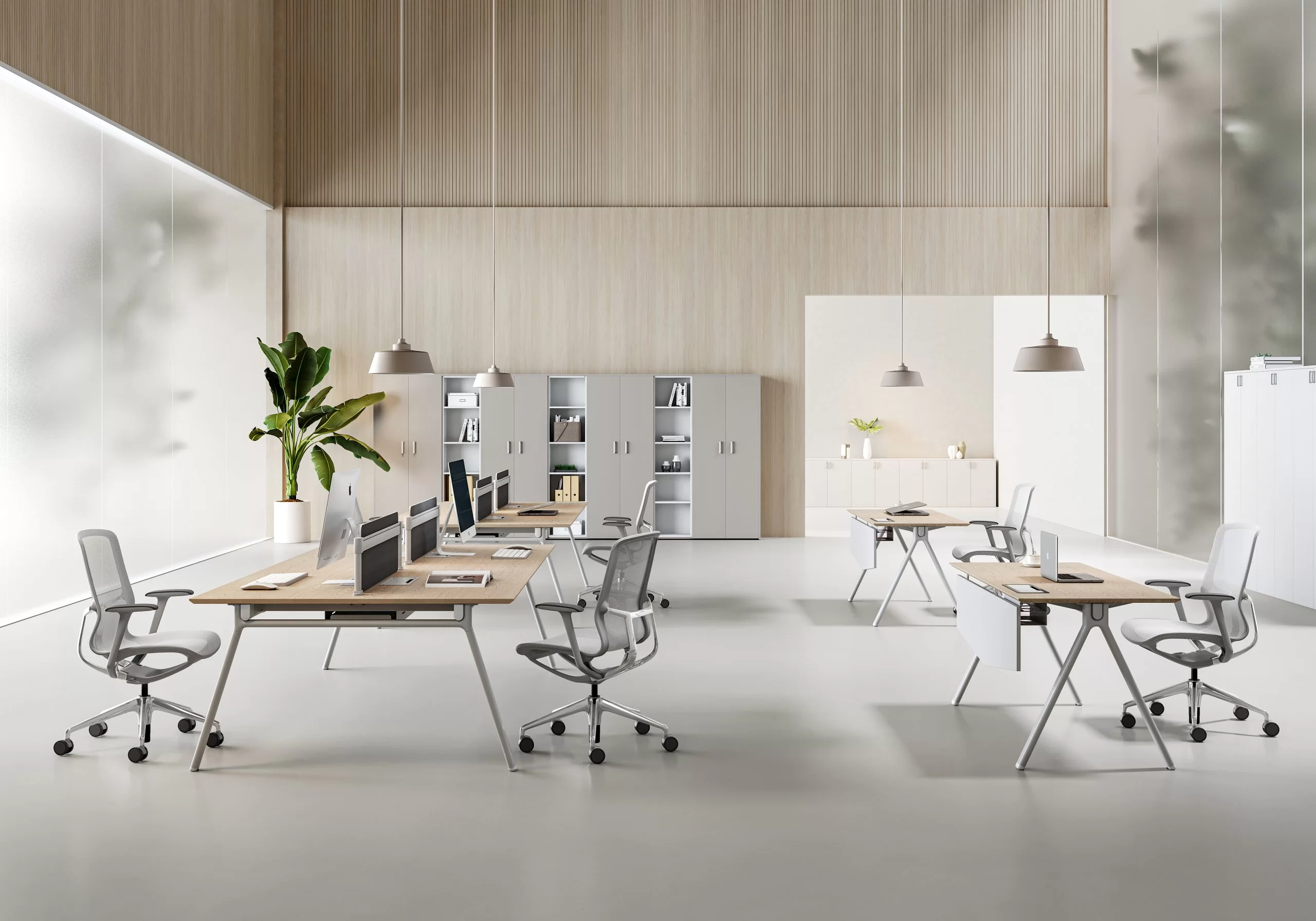

When comparing a task chair vs office chair, many people assume they are the same. In reality, these two seating types are designed for different work patterns, sitting durations, and ergonomic needs.
This in-depth guide explains what truly separates a task chair from an office chair, compares their features side by side, and helps you decide which option best fits your workspace—whether at home or in a commercial office.
What Is a Task Chair?
A task chair is designed for short to moderate periods of seated work. The term “task” refers to focused activities such as typing, writing, meetings, or switching between workstations.
Task chairs prioritize mobility, simplicity, and efficiency, making them a common choice in shared offices, meeting rooms, and compact workspaces.
Common Task Chair Features
- Mid-back or low-back design
- Height adjustment and basic tilt
- Lightweight frame with casters
- Minimal ergonomic complexity
- Easy to move and reposition
Best for:
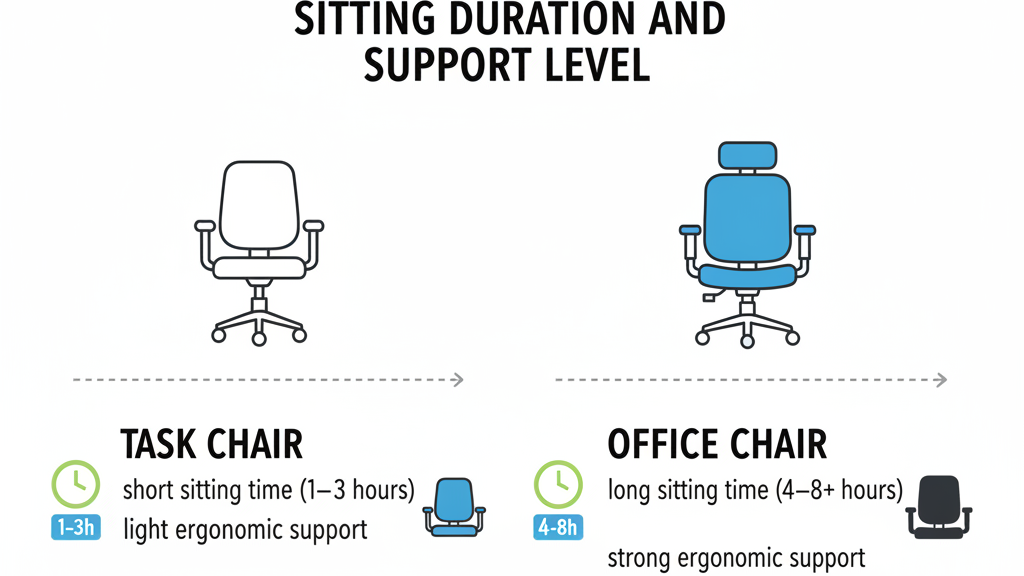
Short work sessions (1–3 hours), collaborative environments, home offices with limited space, and multi-user workstations.
What Is an Office Chair?
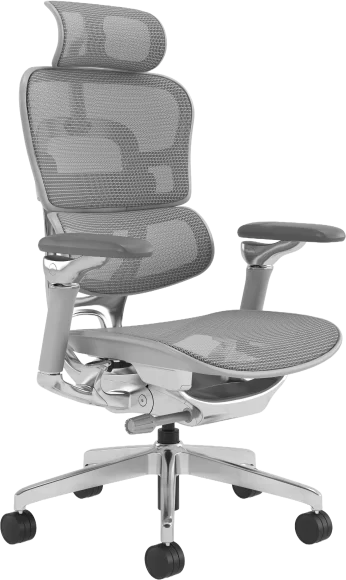
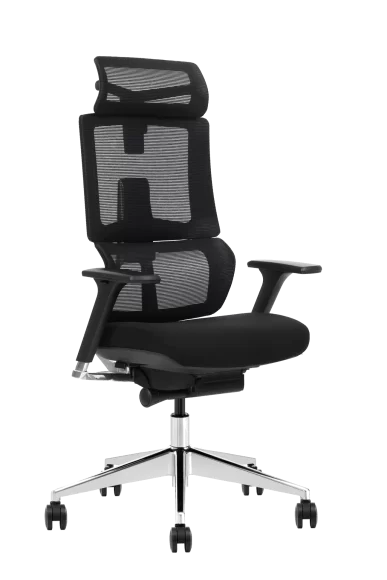
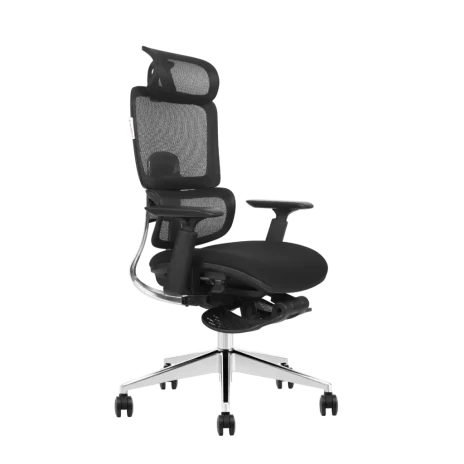
An office chair is a broader category that includes ergonomic chairs, executive chairs, and high-back task chairs designed for long-term daily use.
Office chairs focus on comfort, posture support, and adjustability, making them suitable for professionals who spend many hours seated at a desk.
Common Office Chair Features
- High-back or full-back support
- Advanced ergonomic adjustments (lumbar, armrests, seat depth)
- Recline and tilt-lock mechanisms
- Thicker cushioning or breathable mesh
- Designed for extended sitting periods
Best for:
Full-time office work, long sitting hours (4–8+ hours), users with back or posture concerns, and dedicated workstations.
Task Chair vs Office Chair: Side-by-Side Comparison
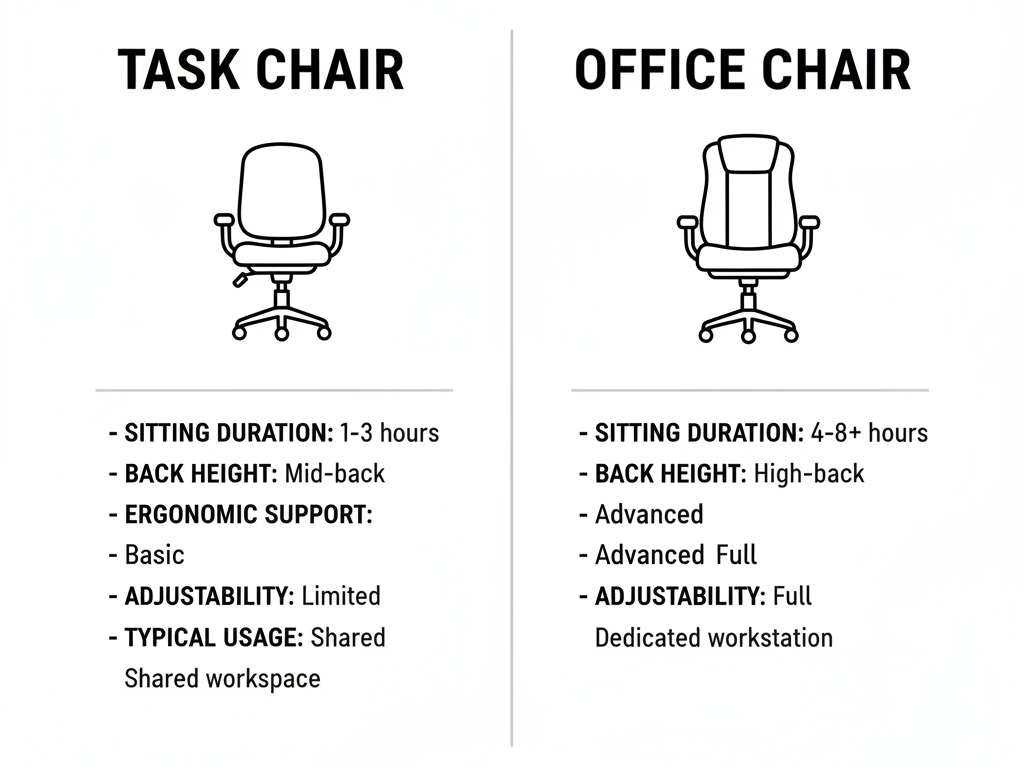
| Feature | Task Chair | Office Chair |
|---|---|---|
| Primary purpose | Short-term task work | Long-term daily work |
| Sitting duration | 1–3 hours | 4–8+ hours |
| Ergonomic support | Basic | Advanced |
| Adjustability | Limited | Extensive |
| Back height | Low to mid-back | Mid-back to high-back |
| Comfort level | Moderate | High |
| Mobility | Very high | Moderate |
| Typical price | Lower | Higher |
| Workspace type | Shared, compact | Dedicated, professional |
Pros and Cons of a Task Chair
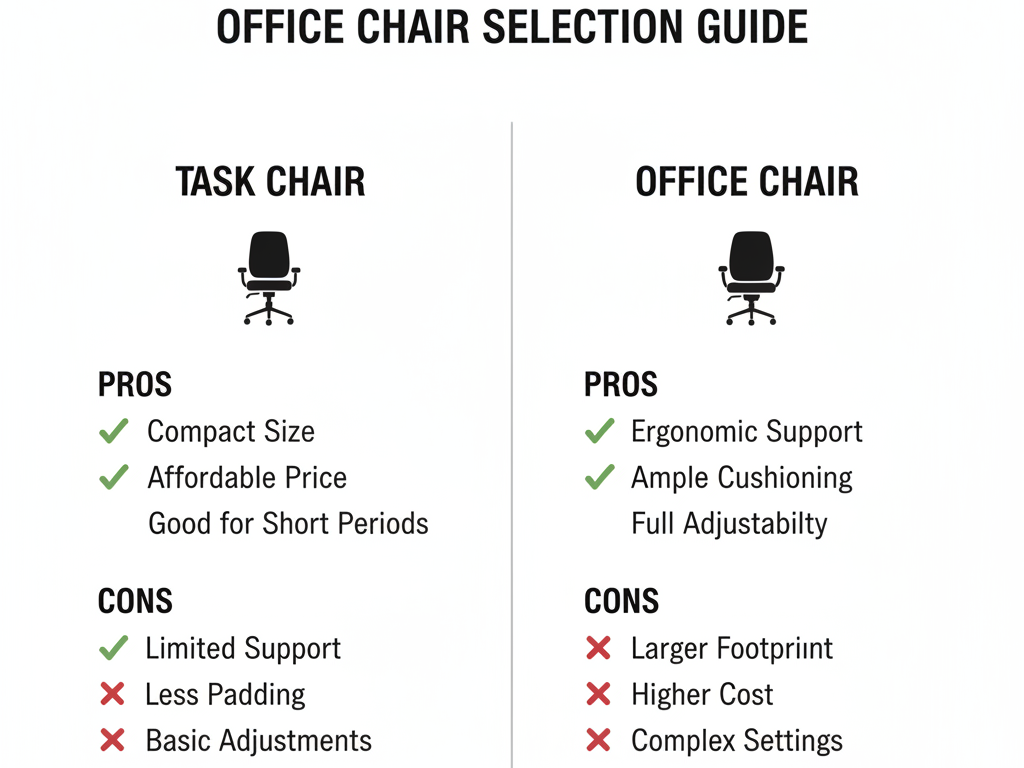
Advantages
- More affordable and budget-friendly
- Lightweight and easy to move
- Simple adjustments—no learning curve
- Ideal for shared or flexible workspaces
Disadvantages
- Limited lumbar and spinal support
- Not ideal for long sitting hours
- Less customization for different body types
Bottom line:
Task chairs are efficient and practical, but not designed for all-day comfort.
Pros and Cons of an Office Chair
Advantages
- Superior ergonomic support
- Designed for long-term comfort
- Helps reduce fatigue and posture strain
- Suitable for professional and executive use
Disadvantages
- Higher cost
- Larger footprint
- More adjustment features may feel complex to some users
Bottom line:
Office chairs are an investment in comfort, health, and productivity for long working hours.
Which One Should You Choose?
Choose a Task Chair If You:
- Sit for short periods only
- Work in a shared or rotating workstation
- Need flexibility and easy movement
- Have limited space or budget
Choose an Office Chair If You:
- Sit at a desk most of the day
- Experience back, neck, or shoulder discomfort
- Want full ergonomic customization
- Value long-term comfort and durability
Key Buying Tips for Both Chair Types
No matter which chair you choose, pay attention to these factors:
- Seat height range to match desk height
- Lumbar support for spinal alignment
- Armrest adjustability to reduce shoulder strain
- Seat depth and width for proper leg support
- Material choice (mesh for airflow, foam for cushioning)
Frequently Asked Questions
Is a task chair the same as an ergonomic chair?
Not necessarily. A task chair may include some ergonomic features, but a true ergonomic office chair offers more advanced and adjustable support.
Can I use a task chair for home office work?
Yes, if you work fewer than 3 hours per day. For longer sessions, an office chair is recommended.
Is an office chair always better than a task chair?
Not always. The best chair depends on how long you sit, how you work, and your available space.
Final Verdict: Task Chair vs Office Chair
If your work involves short, flexible tasks, a task chair is a practical and cost-effective solution. If you spend long hours at a desk, an office chair provides better comfort, support, and long-term health benefits.