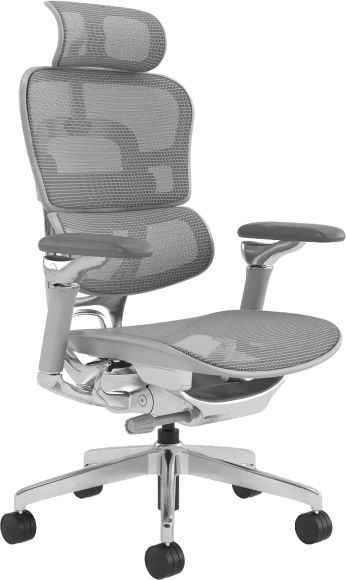
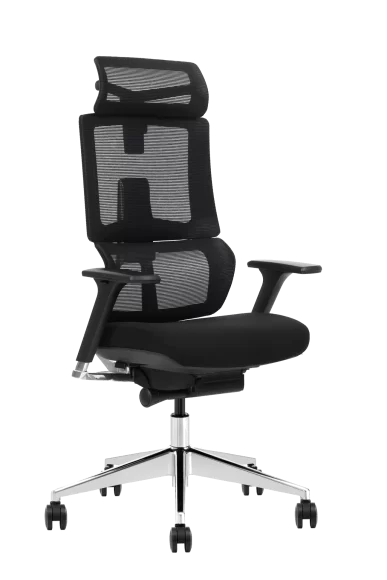
Office chairs are among the most used tools in modern work environments, yet most people know very little about how they actually work. Beyond appearance and branding, office chairs are engineered systems designed to support human physiology, reduce fatigue, maintain circulation, and improve productivity.
Understanding these office chair facts reveals how seating affects spinal health, muscle workload, circulation, and cognitive performance. These insights help explain why proper chair design is essential for comfort, long-term health, and sustained efficiency.
More importantly, these facts help explain why two chairs that look similar can perform very differently over long work sessions. Proper ergonomic design directly affects posture stability, fatigue levels, and long-term spinal health.
Most Important Office Chair Facts That Affect Comfort and Health
Before exploring deeper engineering and ergonomic details, several core office chair facts have the greatest impact on comfort, health, and productivity:
| Most Important Fact | Why It Matters |
|---|---|
| Lumbar support maintains spinal alignment | Reduces muscle fatigue and long-term spinal strain |
| Recline reduces spinal disc pressure | Improves comfort during prolonged sitting |
| Proper seat height improves circulation | Prevents leg fatigue and circulation restriction |
| Adjustable features enable ergonomic positioning | Allows personalization based on body dimensions |
| Pressure distribution determines long-term comfort | Prevents localized discomfort and fatigue |
| Stable support reduces subconscious muscle activity | Improves focus and reduces energy expenditure |
Ergonomic Facts About How Office Chairs Support the Human Body
Fact 1: The human body was never designed to sit still for long periods
The spine is built for movement, not static loading. Remaining in one fixed position increases pressure on spinal discs and surrounding muscles. Modern ergonomic chairs allow controlled movement to reduce fatigue and maintain circulation.
Fact 2: Small posture adjustments dramatically reduce spinal fatigue
Even slight recline angles redistribute body weight across the seat and backrest. This reduces continuous pressure on the lower spine and improves comfort during extended sitting.
Fact 3: Lumbar support maintains natural spinal alignment
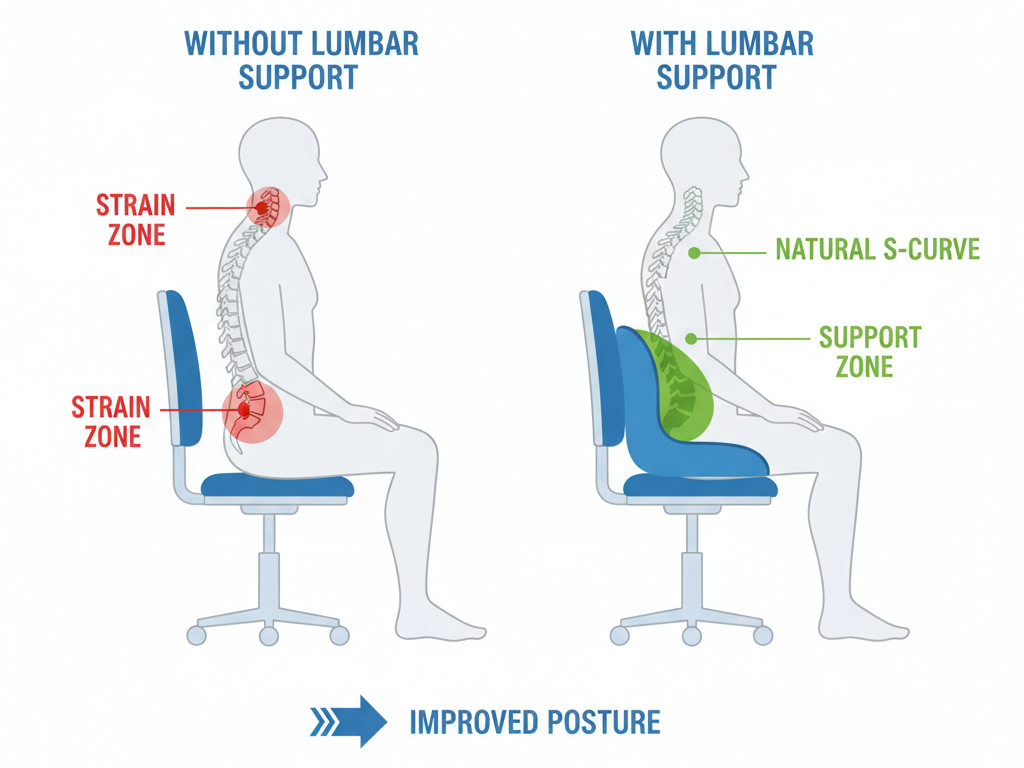
The human spine naturally curves in an S-shape. Lumbar support maintains this alignment, reducing muscle strain and fatigue while helping preserve healthy posture.
Without proper lumbar support, muscles must compensate continuously, which accelerates fatigue and discomfort.
Fact 4: Armrests reduce muscular workload in the upper body
Without armrests, shoulder and neck muscles remain continuously active to stabilize arm weight. Armrests transfer this load to the chair.
This reduces fatigue and muscle strain while improving overall comfort and endurance.
Fact 5: Dynamic sitting improves circulation and reduces discomfort
Micro-movements improve blood flow, reduce muscle fatigue, and prevent pressure buildup by avoiding prolonged static loading on muscles and soft tissues. In contrast, rigid sitting positions increase discomfort and accelerate fatigue accumulation over time.
Engineering Facts About Office Chair Design
Fact 6: Office chair recline angles are scientifically optimized
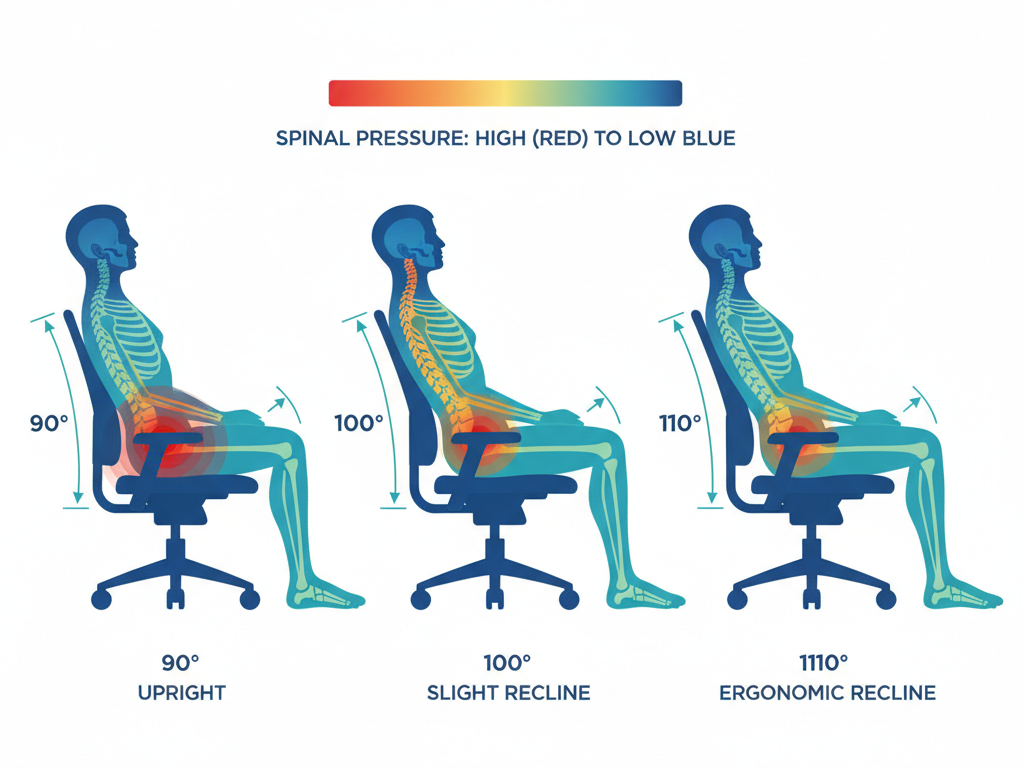
Most office chairs recline between 95° and 110°. This angle reduces spinal disc pressure and improves weight distribution.
Perfectly upright sitting increases spinal stress and fatigue over time.
Fact 7: Gas lift cylinders use compressed gas for smooth height adjustment
Gas lift systems provide:
- smooth motion
- stable support
- reliable adjustability
This is essential for ergonomic positioning and proper workstation alignment.
Fact 8: Mesh materials distribute weight more evenly than solid surfaces
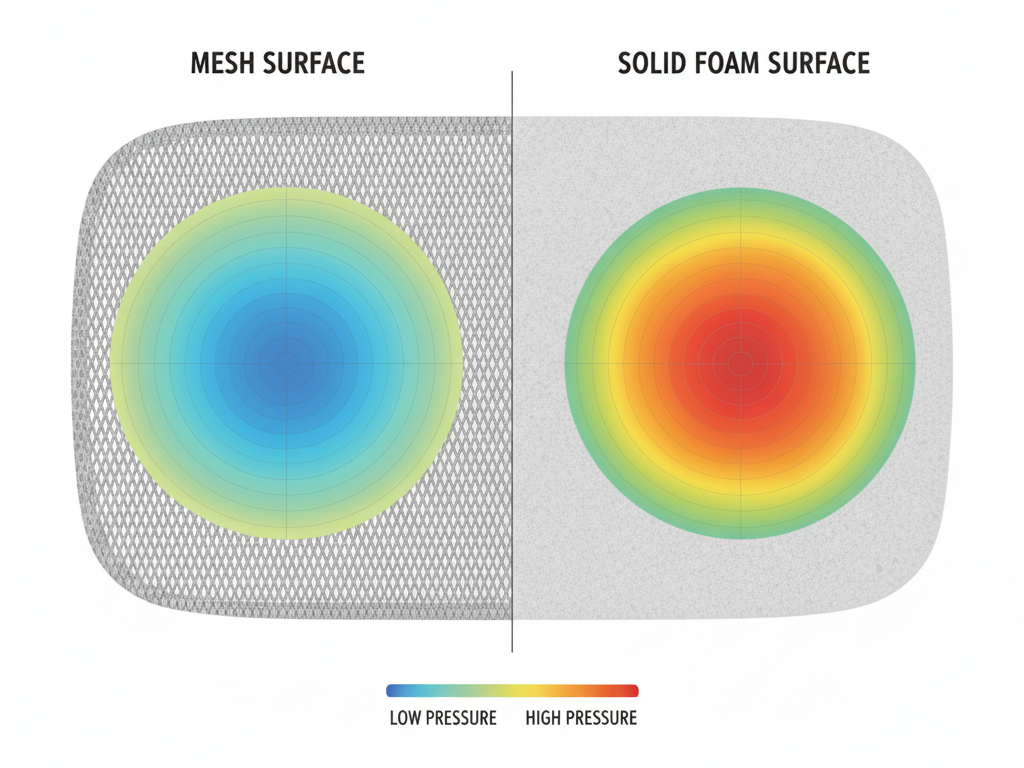
Mesh chairs distribute body weight across multiple tension points rather than concentrating pressure on a single surface area. This creates adaptive support that responds to body position while maintaining structural stability.
This provides:
- adaptive support that adjusts to movement
- improved airflow to reduce heat buildup
- reduced pressure concentration
These advantages improve circulation, reduce fatigue, and enhance comfort during prolonged sitting.
Fact 9: Seat shape directly affects pressure distribution
Curved seat edges reduce pressure behind the knees, improving circulation and comfort while preventing localized pressure buildup.
Flat or poorly shaped seat designs increase pressure concentration and discomfort.
Fact 10: Office chairs are designed to allow micro-movement
Small controlled movements reduce muscle fatigue and improve circulation by preventing continuous static loading on muscles and spinal discs. In contrast, complete rigidity increases fatigue accumulation and accelerates discomfort over time. Chairs that support subtle, controlled movement help maintain comfort and reduce strain during extended work sessions.
Circulation and Fatigue Facts Most People Don’t Know
Fact 11: Incorrect chair height can restrict circulation
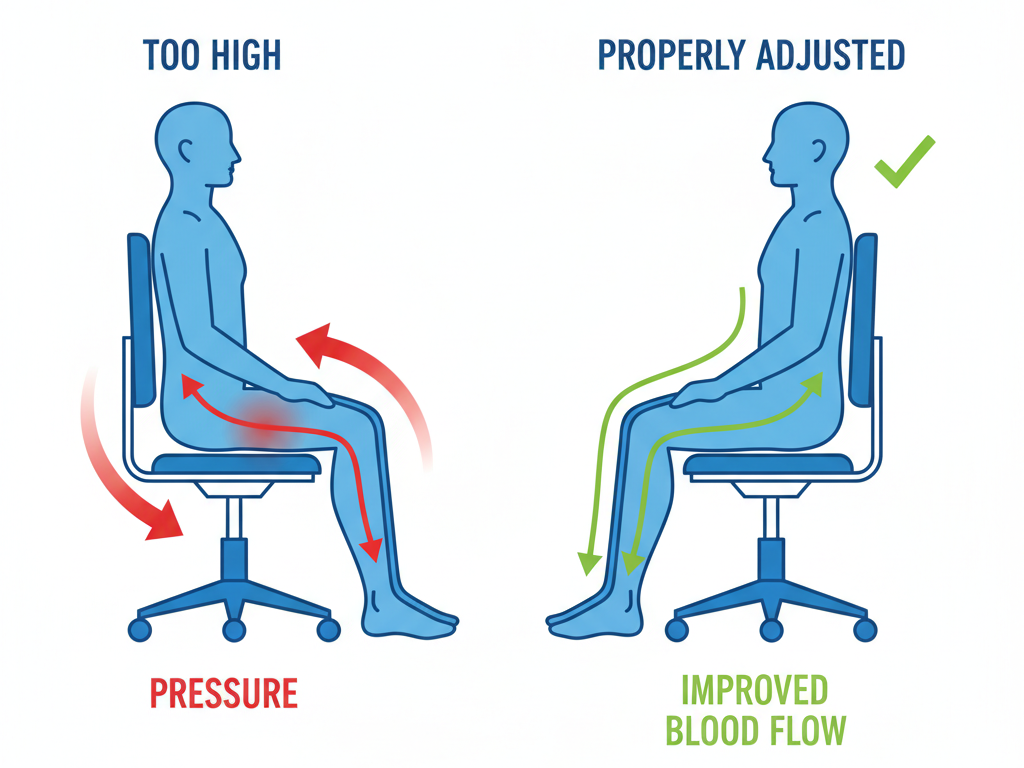
Excessive ergonomic desk chair height and dimensions increases pressure under the thighs, restricting blood flow and contributing to leg fatigue and discomfort. When seat height is properly adjusted, pressure is evenly distributed, circulation improves, and fatigue is significantly reduced.
Fact 12: Seat depth affects leg comfort and fatigue
Improper seat depth can either compress the back of the knees or fail to provide adequate thigh support, both of which negatively impact circulation and comfort. Proper seat geometry supports the thighs while maintaining healthy blood flow, reducing fatigue over prolonged sitting periods.
Fact 13: Pressure distribution affects long-term comfort
Uneven pressure concentration increases localized discomfort and accelerates fatigue accumulation over time. Chairs designed to distribute body weight evenly reduce strain on specific areas, improve endurance, and maintain comfort throughout long work sessions.
Productivity and Cognitive Performance Facts
Fact 14: Physical discomfort reduces cognitive performance
Physical discomfort forces the brain to allocate attention toward managing strain rather than focusing on tasks. By minimizing physical stress, ergonomic seating improves concentration, mental efficiency, and sustained cognitive performance.
Fact 15: Stable seating improves concentration
Stable seating reduces subconscious muscle activity and distraction, allowing better mental focus.
Fact 16: Comfortable seating improves workflow continuity
Comfort allows longer uninterrupted work sessions and improves efficiency.
Fact 17: Reduced muscle strain conserves energy
Supportive chairs reduce unnecessary muscular effort required to stabilize posture. By lowering muscle strain, energy expenditure decreases, endurance improves, and fatigue accumulates more slowly over the course of the workday.
Mobility and Movement Facts
Fact 18: Office chair wheels improve workflow efficiency
Mobility reduces interruptions and improves task efficiency by allowing smooth movement between work areas.
Fact 19: Chair mobility reduces joint strain
Mobility reduces repetitive reaching and twisting, lowering joint stress and fatigue.
Historical Office Chair Facts Most People Don’t Know
Fact 20: Leonardo da Vinci sketched early adjustable seating concepts
His designs included adjustable mechanisms to improve working posture and efficiency.
Fact 21: Otto von Bismarck helped popularize endurance seating
His use of supportive seating influenced functional office furniture development.
Fact 22: Franklin D. Roosevelt used customized seating for endurance work
Customized seating improved comfort and administrative efficiency during extended working hours.
Modern Office Chair Technology Facts
Fact 23: Modern chairs support dynamic posture adaptation
Advanced ergonomic designs support natural body movement while maintaining structural stability and support.
Fact 24: Advanced materials improve adaptive support and durability
High-performance materials maintain structural integrity and ergonomic effectiveness over extended use. This helps preserve support performance and long-term comfort.
Fact 25: Sustainable office chairs now use recyclable materials
Modern chairs increasingly use recyclable and sustainable materials, improving environmental responsibility while maintaining performance and durability.
Office Chair Facts Most Manufacturers Don’t Tell You
Understanding hidden design realities helps users make better decisions when selecting office seating.
- Poor lumbar support forces muscles to compensate, accelerating fatigue
- Low-density cushions lose support faster, reducing ergonomic effectiveness
- Limited adjustability prevents proper ergonomic positioning
- Poor pressure distribution increases long-term discomfort
- Stable ergonomic support improves endurance and productivity
These factors explain why ergonomic design quality matters more than appearance alone.
Signs Your Office Chair May Be Hurting Your Health
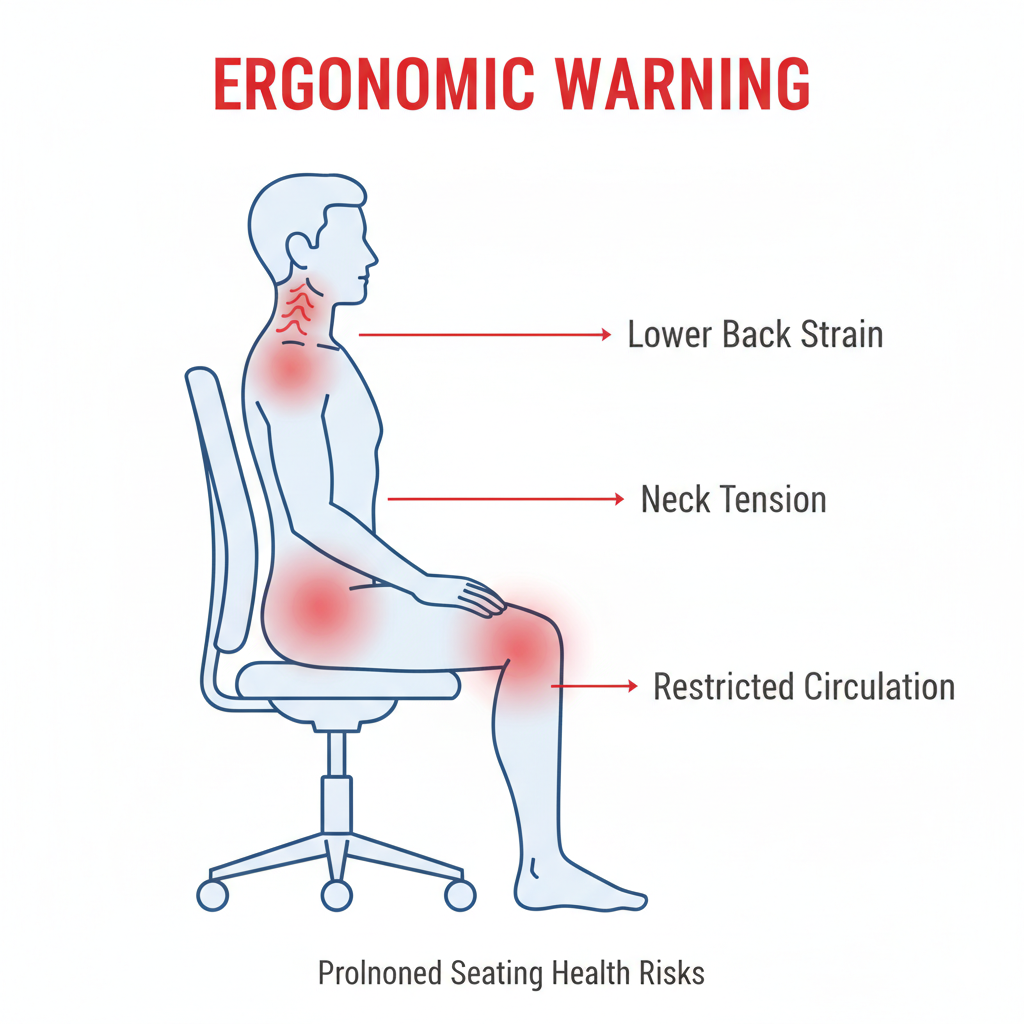
Many users experience fatigue or discomfort without realizing their chair is the cause. Common warning signs include:
- Lower back discomfort after prolonged sitting
- Leg fatigue or circulation restriction
- Neck and shoulder tension
- Frequent posture adjustments due to discomfort
- Reduced comfort over extended work sessions
These symptoms often indicate insufficient ergonomic support or improper adjustment.
How Office Chair Facts Help You Choose the Right Chair
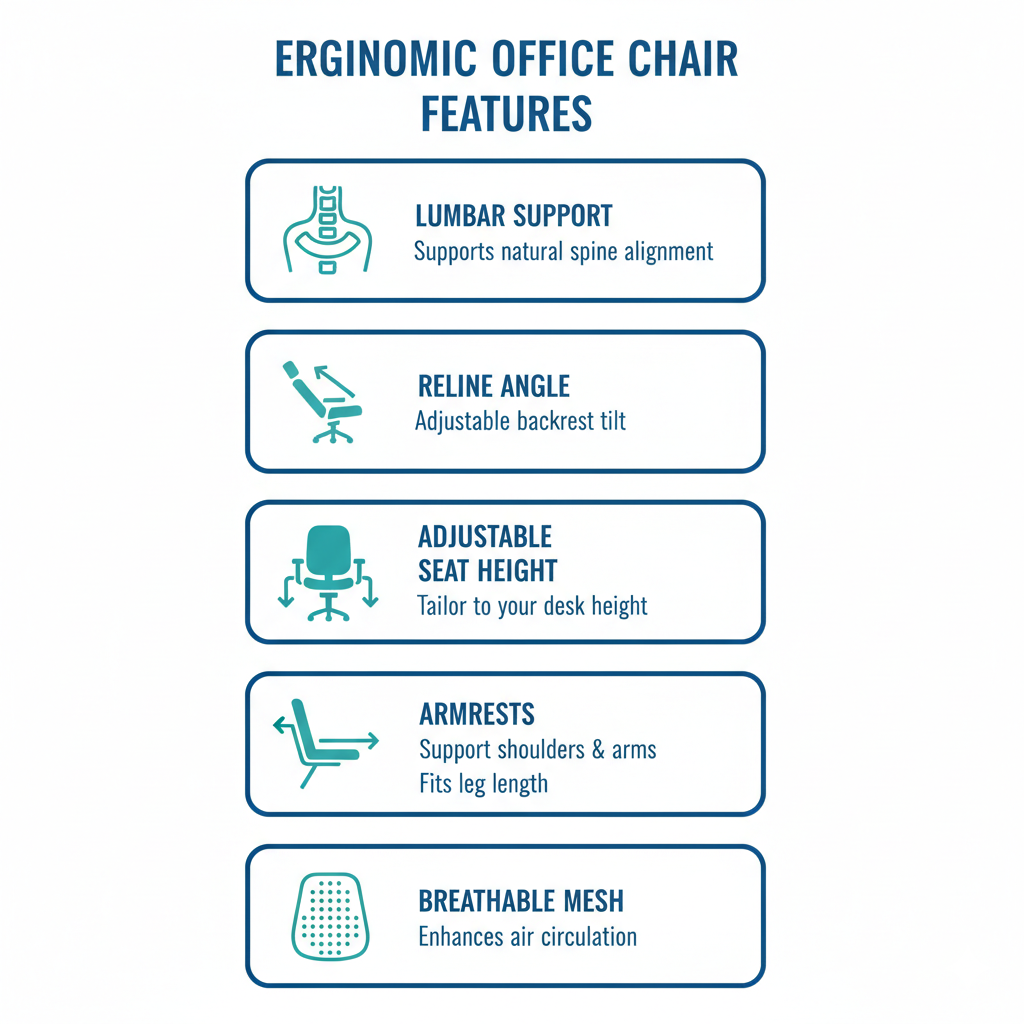
Understanding office chair facts helps users identify important ergonomic features. When selecting an office chair, key factors include:
- Proper lumbar support to maintain spinal alignment
- Adjustable seat height to support circulation
- Recline capability to reduce spinal pressure
- Proper seat depth and shape to distribute pressure evenly
- Stable structural support for consistent performance
Chairs designed with these principles improve comfort, reduce fatigue, and support long-term health.
Quick Summary Table of Office Chair Facts
| Office Chair Fact | Why It Matters |
|---|---|
| Lumbar support maintains posture | reduces fatigue |
| Mesh distributes weight evenly | improves comfort |
| Recline reduces spinal pressure | improves health |
| Armrests reduce muscle strain | improves endurance |
| Proper seat height improves circulation | reduces fatigue |
| Stable seating improves focus | improves productivity |
Why Understanding Office Chair FactsMatters
Office chairs directly affect:
- spinal health
- circulation
- muscle fatigue
- comfort
- productivity
Proper seating improves both comfort and performance while reducing fatigue and strain.
FAQ About Office Chair Facts
Why are office chair facts important?
They explain how seating affects comfort, posture, circulation, and productivity.
Do office chairs affect posture?
Yes. Proper support maintains spinal alignment and reduces fatigue.
What is the most important ergonomic feature?
Lumbar support and adjustability are essential for ergonomic positioning.
Why do ergonomic chairs improve comfort?
They reduce muscle strain, improve pressure distribution, and support natural posture.
Do office chairs affect productivity?
Yes. Comfortable seating improves focus, endurance, and workflow efficiency.
Conclusion
Office chairs are sophisticated engineered systems designed to support human physiology, reduce fatigue, and improve productivity. Every design element—from lumbar support to recline angle and seat geometry—serves a specific purpose.
Understanding these office chair facts helps users make better decisions, improve comfort, protect spinal health, and maintain productivity during prolonged work sessions. Proper ergonomic design is not simply a comfort feature—it is essential for long-term health, sustained performance, and overall workplace efficiency.