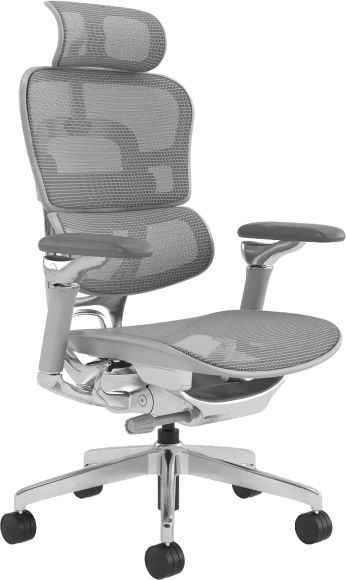
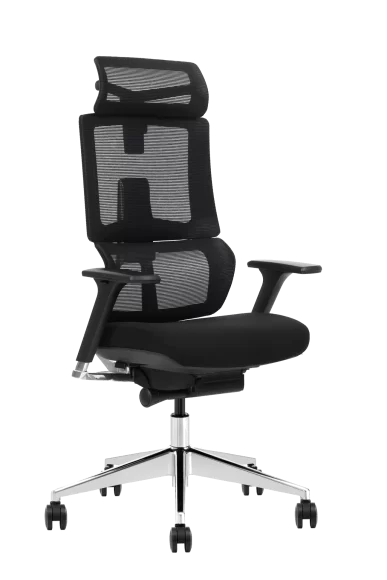
Selecting office chair fabric and mesh is not simply a matter of choosing a color or surface texture. For distributors, furniture brands and commercial project buyers, the upholstery specification can affect cleaning requirements, seated comfort, visual positioning, compliance documentation and long-term product performance.
A fabric that looks attractive in a sample may be difficult to maintain in a busy office. A mesh backrest that initially feels flexible may gradually lose tension if its fibers, weave structure or frame connection are unsuitable for frequent use.
For this reason, commercial buyers should evaluate fabric and mesh according to the actual working environment, expected usage frequency and required product positioning. VASEAT’s LY stain-resistant fabric and NT high-elasticity mesh provide two different material solutions that can also be combined within one office chair.
For a broader introduction to common upholstery, foam and structural materials, read our office chair materials guide.
Why Upholstery Specifications Matter in Commercial Seating
Office chair upholstery is exposed to repeated contact, friction, dust, perspiration and accidental spills throughout the working day. In shared offices, training rooms and project installations, the same chair may also be used by several people with different sitting habits.
A suitable upholstery specification should therefore address more than appearance.
Commercial buyers should consider:
- Resistance to spills, oil and everyday stains
- Airflow around the back and seat
- Surface texture and seated comfort
- Elastic recovery and resistance to sagging
- Cleaning and maintenance requirements
- Available colors and visual consistency
- Flammability and material compliance documentation
- Compatibility with the chair frame, foam and backrest structure
The correct material depends on where the chair will be used. Upholstered fabric and tensioned mesh perform different functions, so neither should be treated as automatically superior in every application.
LY Stain-Resistant Fabric for Upholstered Office Chair Seats
LY is a specially developed office chair fabric designed to combine a soft upholstered surface with practical protection against common workplace spills.
Its multi-functional surface treatment is intended to resist water, oil and everyday staining. Liquids such as water, coffee or soft drinks remain on the surface for easier removal instead of immediately passing through the upholstery and reaching the foam underneath.
This feature is particularly useful for staff seating, meeting chairs, training facilities and other locations where chairs are used frequently and accidental spills are difficult to avoid.
Easier Cleaning After Everyday Spills
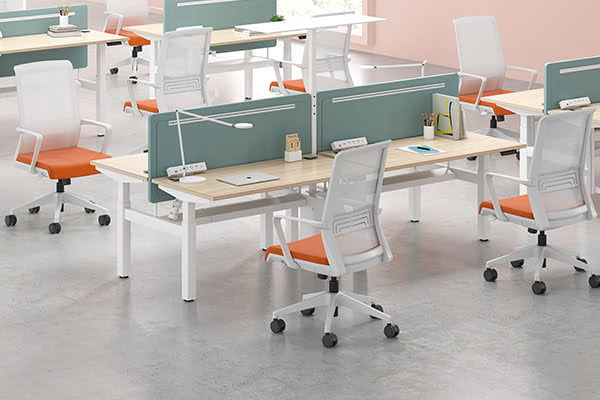
Standard woven fabric can absorb liquid before office staff have time to respond. Once moisture reaches the internal foam, cleaning becomes more difficult and the chair may require longer drying time.
With LY fabric, surface liquid can generally be absorbed using a clean paper towel or soft cloth before it penetrates the upholstered seat.
This does not mean that the chair should be left wet or cleaned with aggressive chemicals. Spills should still be treated promptly, and buyers should confirm the recommended cleaning method for the selected fabric specification.
However, the protective surface can reduce routine maintenance compared with untreated upholstery, especially across larger office installations.
Buyers looking for a completed chair configuration using this type of upholstery can review the Simple Swivel Desk Computer Chair.
Soft Touch and Flexible Color Selection
Maintenance performance does not need to result in a rough or highly technical surface.
LY fabric has a soft, refined touch suitable for contemporary office seating. Its elasticity allows the upholstery to follow the shape of the seat cushion while maintaining a clean appearance around curved edges and molded foam structures.
The series is available in eight bright and modern color options. This gives furniture brands and project buyers greater flexibility when matching chairs to:
- Corporate brand colors
- Open-plan staff workspaces
- Educational and training environments
- Reception or collaborative areas
- Home-office product collections
- Private-label furniture ranges
For large orders, the approved physical swatch should be retained as the production reference. Color appearance should also be checked under both natural and artificial lighting before final approval.
Compliance Support for Different Markets
According to the supplied LY material specification, the fabric has been evaluated for requirements involving restricted substances and California upholstered-furniture flammability performance.
Applicable documentation may include REACH-related material testing and CA TB117-2013 flammability test information.
Commercial buyers should confirm that the documentation applies to the exact fabric, color, backing and final chair configuration being ordered. A general supplier statement should not replace project-specific document review when a tender or destination market has defined compliance requirements.
VASEAT provides further information through its office chair certification resources.
NT High-Elasticity Mesh for Office Chair Backrests
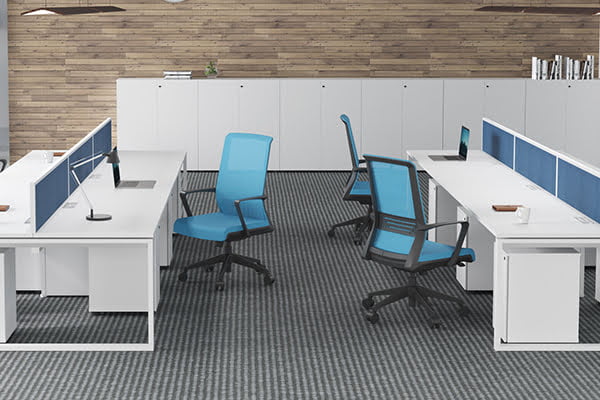
While LY fabric focuses on upholstered comfort and surface protection, NT mesh is designed for breathable backrest support.
NT mesh uses high-elasticity nylon reinforcement and a positioned warp-and-weft structure. The fixed weave construction helps the material recover after repeated loading and reduces the risk of the backrest becoming visibly loose during normal use.
This makes the material suitable for ergonomic and commercial chairs that need to maintain ventilation without sacrificing backrest tension.
Breathability for Extended Office Use
An open mesh structure allows air to move around the user’s back more freely than a fully upholstered backrest.
This can be valuable in:
- Warm or humid markets
- High-occupancy staff offices
- Call centers
- Shared workstations
- Training facilities
- Workplaces with long daily sitting periods
Breathability should not be evaluated separately from support. A very open or loosely tensioned mesh may provide airflow but fail to maintain a stable backrest surface.
The fiber elasticity, weave density, frame design and edge connection all influence how the completed backrest performs.
Buyers can explore different configurations in VASEAT’s mesh chair range.
Elastic Recovery and Backrest Support
Office chair mesh is continually stretched as the user sits, reclines and changes position. A suitable commercial-grade mesh should flex under pressure and recover after the pressure is removed.
NT mesh is designed to provide this combination of elasticity and continuing support. Its reinforced structure helps the backrest retain its shape instead of gradually developing a loose central area.
The final result still depends on the complete backrest assembly. Buyers should inspect:
- Mesh tension across the full frame
- Recovery after repeated pressure
- Consistency between the center and edges
- Stitching or clamping around the frame
- Surface comfort against clothing
- Resistance to visible distortion
- Compatibility with the lumbar-support structure
A material sample alone cannot show how the mesh will perform once it is tensioned over the production frame. A completed chair sample is therefore important before approving a large order.
Two Mesh Patterns for Different Chair Designs
NT mesh is available with two visual patterns:
- NT-7: Horizontal pattern
- NT-0: Vertical pattern
The two options use the same general material quality but create different visual effects on the finished backrest.
Horizontal mesh lines can emphasize the width and layered structure of a backrest. Vertical lines can make the chair appear taller and more streamlined. The most suitable option depends on the chair frame, backrest shape and intended market style.
This pattern choice allows buyers to create visible product differentiation without changing the entire chair structure.
LY Fabric vs NT Mesh: Key Differences
| Selection factor | LY stain-resistant fabric | NT high-elasticity mesh |
|---|---|---|
| Primary use | Upholstered seats and selected chair surfaces | Tensioned office chair backrests |
| Surface feel | Soft and cushioned | Flexible and breathable |
| Airflow | Lower than open mesh | High |
| Spill resistance | Designed to resist water, oil and common stains | Open structure is not intended as a liquid barrier |
| Cleaning | Surface spills can be absorbed promptly | Dust can be removed with a soft brush or vacuum attachment |
| Support method | Works with the foam and seat structure | Uses mesh tension and frame structure |
| Design options | Eight color choices | NT-7 horizontal or NT-0 vertical pattern |
| Suitable positioning | Comfortable, colorful and easy-maintenance seating | Modern, ergonomic and ventilation-focused seating |
The comparison should not be used to select one material for every part of the chair. In many cases, the strongest commercial configuration uses both materials for different purposes.
Why Combine a Fabric Seat With a Mesh Back?
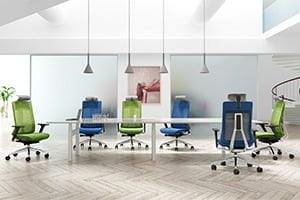
A fabric-seat mesh-back chair combines the strengths of two upholstery structures.
The upholstered seat provides a familiar cushioned surface and allows buyers to introduce different colors into the product. Stain-resistant fabric can also simplify the treatment of minor workplace spills.
The mesh backrest improves airflow and provides flexible support without adding a thick upholstered layer around the user’s back.
This combination is suitable for buyers who want:
- Breathability without using a full-mesh seat
- Cushioned seated comfort
- More seat-color customization
- A modern ergonomic appearance
- Practical cleaning for staff workspaces
- Broad acceptance across different markets
VASEAT’s Fabric Seat Mesh Chair shows how a breathable mesh backrest can be combined with an upholstered molded-foam seat in a configurable commercial chair.
How B2B Buyers Should Evaluate Fabric and Mesh Samples
A digital photograph cannot accurately show texture, elasticity, weave density or color consistency. Before approving a wholesale or project order, buyers should request physical material swatches and, where possible, a completed production sample.
1. Test the Fabric With Likely Workplace Spills
Place a small amount of water on the approved sample and observe whether it remains on the surface long enough to be absorbed.
Additional testing should follow the supplier’s approved procedure. Do not apply unapproved chemicals or assume that resistance to one liquid means resistance to every cleaning agent.
2. Check the Mesh Recovery
Press and release different areas of the completed backrest.
The mesh should return evenly without leaving a visibly loose area. Check the center, lumbar area and edges because tension may vary across the frame.
3. Examine the Edge Construction
Mesh failure often begins around the frame rather than in the middle of the backrest.
Review how the material is stitched, clamped or secured. Uneven tension, damaged fibers and exposed edges may lead to premature loosening.
4. Review Color Under Different Lighting
Fabric and mesh may look different under showroom lighting, daylight and office LEDs.
Project buyers should compare the approved sample in conditions similar to the final installation environment.
5. Confirm the Exact Test Documentation
Ask whether the available report applies to:
- The selected material series
- The exact color or finish
- The backing or surface treatment
- The final chair configuration
- The required destination market
- The current production specification
Required documents should be identified during quotation rather than requested only after production has started.
6. Approve the Sample as a Production Reference
The final approved swatch and chair sample should be recorded in the order specification.
This gives both the buyer and manufacturer a clear reference for color, surface appearance, mesh tension and upholstery workmanship during mass-production inspection.
Which Material Fits Different Commercial Applications?
Corporate Staff Workstations
A fabric seat with an NT mesh back provides a balanced configuration for daily staff seating. The seat offers cushioned comfort, while the backrest supports airflow during long working sessions.
Call Centers and Shared Offices
High-elasticity mesh is useful where chairs experience frequent daily use and ventilation is important. Buyers should pay particular attention to mesh recovery, frame attachment and replacement-part planning.
Training Rooms and Educational Facilities
LY fabric can help simplify the treatment of minor spills, while its color range supports zoning or departmental identification. The full chair should still be selected according to stacking, mobility and space requirements.
Meeting and Visitor Areas
Fabric upholstery can create a softer and more welcoming appearance. For warmer locations or longer meetings, a mesh backrest can improve ventilation.
Private-Label Office Chair Collections
Furniture brands can use fabric color, mesh pattern and chair-frame finish to create different product versions from a shared structural platform.
This approach can support market differentiation while limiting the number of completely separate chair molds and mechanisms.
Common Specification Mistakes to Avoid
One common mistake is choosing fabric based only on color. A suitable color does not confirm stain resistance, abrasion performance or cleaning compatibility.
Another is evaluating loose mesh without checking the completed backrest. Mesh performance depends heavily on frame geometry and installed tension.
Buyers should also avoid assuming that every available color carries identical test documentation. Different finishes or material batches may require separate confirmation.
Finally, upholstery should not be evaluated independently from the rest of the chair. Seat foam, backrest shape, lumbar support, mechanism, frame and dimensions all affect the final user experience.
VASEAT’s ergonomic office chair range combines different surface materials with adjustable support and structural options for commercial seating projects.
Frequently Asked Questions
Is fabric or mesh better for an office chair?
Neither is universally better. Fabric provides a softer upholstered surface and more color flexibility, while mesh offers greater airflow. Many commercial chairs combine a fabric seat with a mesh back to provide both cushioning and ventilation.
Is stain-resistant office chair fabric completely waterproof?
Stain-resistant fabric is designed to delay or reduce liquid penetration, giving users time to absorb a spill. Its exact performance depends on the treatment, fabric construction and test conditions. Spills should still be removed promptly.
How can buyers tell whether chair mesh is durable?
Review the fiber and weave specification, inspect the installed tension, press different areas of the completed backrest and check whether the mesh recovers evenly. Buyers should also examine how the material is secured around the frame.
What is the difference between NT-7 and NT-0 mesh?
NT-7 uses a horizontal pattern, while NT-0 uses a vertical pattern. Both provide the main NT mesh characteristics, but their different textures allow buyers to match the material to the chair’s design language.
Can fabric and mesh colors be customized for bulk orders?
Material and color options can be discussed according to the chair model, order quantity and production requirements. Buyers should request swatches and confirm minimum-order requirements before approving a customized color.
Should buyers request REACH and flammability documents?
Yes, when these documents are required for the destination market, customer specification or project tender. The report should be checked against the exact material and final product configuration rather than accepted as a general claim.
Final Selection Advice
Office chair fabric and mesh should be specified according to real usage conditions rather than appearance alone.
LY fabric provides a soft upholstered surface with resistance to common spills, multiple color choices and support for relevant material and flammability documentation. NT mesh focuses on ventilation, elastic recovery, continuing backrest support and two selectable visual patterns.
For many staff chairs and ergonomic seating projects, combining an LY fabric seat with an NT mesh back can provide a practical balance of comfort, maintenance, airflow and design flexibility.
VASEAT supports distributors, furniture brands and project buyers with office chair material selection, samples, configurable chair structures and OEM or ODM production. Contact the VASEAT team to discuss upholstery specifications, mesh options, colors, compliance documents and bulk-order requirements.