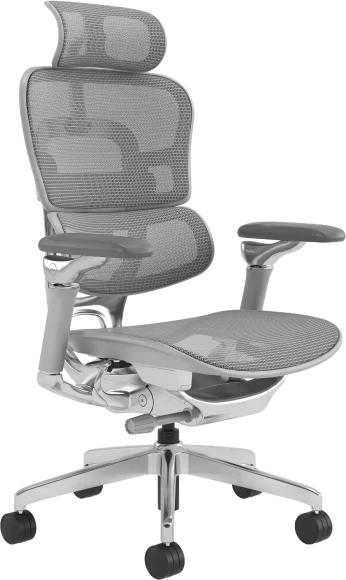
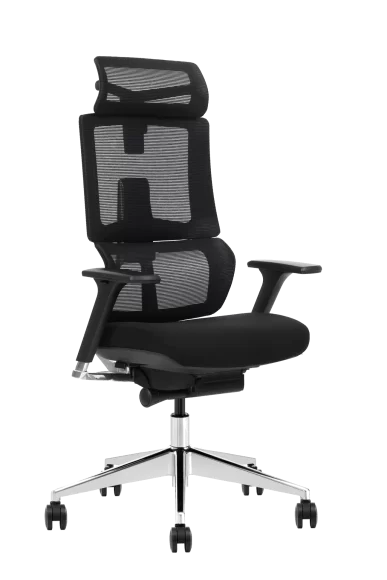
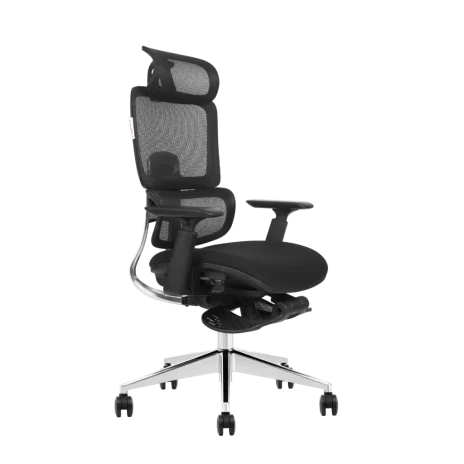
The biggest mistake distributors make isn’t picking bad chairs — it’s picking too many similar ones and organizing them with no logic buyers can follow. A showroom with 30 chairs that all look and feel the same tells a prospective client nothing; a showroom with 10 chairs organized by use-case and price tier closes deals faster. Get the lineup wrong and you’re not just wasting floor space, you’re actively making your best products harder to sell.
Mistake #1: Stocking Too Many Chairs That Solve the Same Problem
Walk into most regional showrooms and you’ll see five or six mesh task chairs that are basically identical — same silhouette, same price band, same mechanism. That’s not variety, that’s redundancy, and it confuses buyers instead of helping them decide.
A procurement manager touring your showroom isn’t trying to compare 15 mesh chairs. They’re trying to answer three questions fast: what fits my budget, what fits my use-case, and what’s actually different between option A and option B. If you can’t answer those in under two minutes, the lineup has failed.
Better approach: stock one strong mesh task chair per price tier (entry, mid, premium), not five competing versions of the same tier. Use the freed-up floor space for chair types you’re currently missing — genuinely ergonomic options versus decorative lookalikes, for instance.
Mistake #2: No Clear Use-Case Grouping
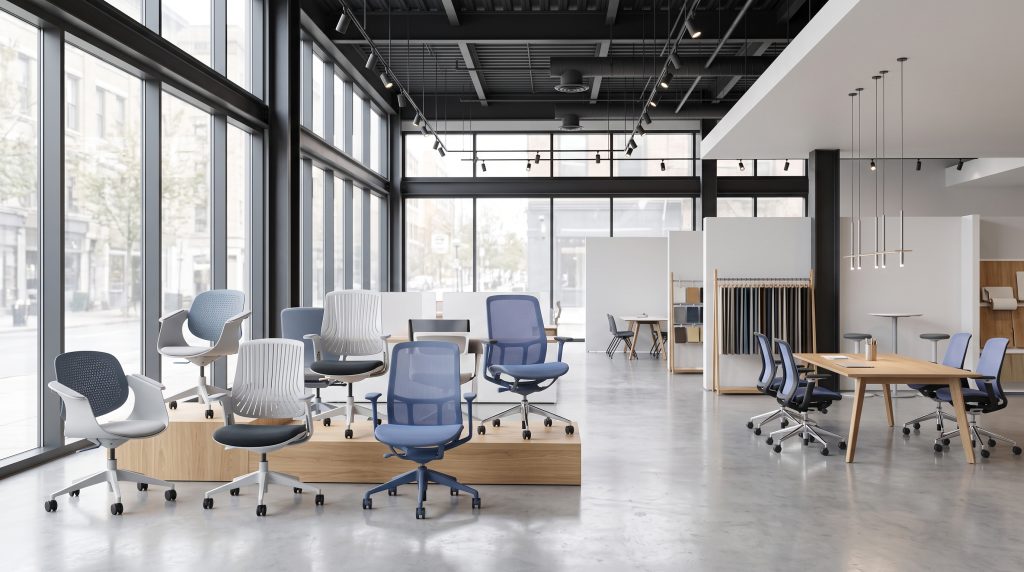
If your showroom groups chairs by arrival date or supplier batch instead of by application, you’re forcing buyers to do the categorization work themselves — and most won’t bother. They’ll just leave.
Group seating the way your buyers actually shop: task chairs for open-plan desks, visitor chairs for reception and meeting rooms, conference seating for boardrooms, and drafting stools for technical or standing-height stations. A distributor selling into a mixed corporate fit-out project needs to walk a client from zone to zone, not chair to chair.
Real-world example
One regional dealer reorganized a 4,000 sq ft showroom into five zones — reception, open office, conference, training room, and executive suite — mirroring an actual office layout. Close rates on multi-chair project orders rose noticeably within two quarters, simply because clients could visualize their own space instead of guessing which chair belonged where.

Mistake #3: Letting Chairs Sit Locked or Untested
A tilt mechanism nobody can try is a feature that doesn’t exist. Yet in plenty of showrooms, chairs are bolted to display platforms or set with tension knobs locked tight, and staff never walk buyers through the adjustments.
Buyers judge ergonomic value with their bodies, not spec sheets. If a client can’t feel synchro-tilt versus a basic pneumatic tilt, or adjust seat depth themselves, you’ve lost the strongest selling point of a higher-margin chair. Every unit on the floor should be fully functional — lumbar dial, armrest height, seat slide, tilt tension — all of it.
This matters even more for technical buyers. Understanding how different tilt mechanisms actually work is often what separates a $90 chair sale from a $180 chair sale, and that education has to happen on the floor, not in a brochure.
Mistake #4: Ignoring Material Storytelling
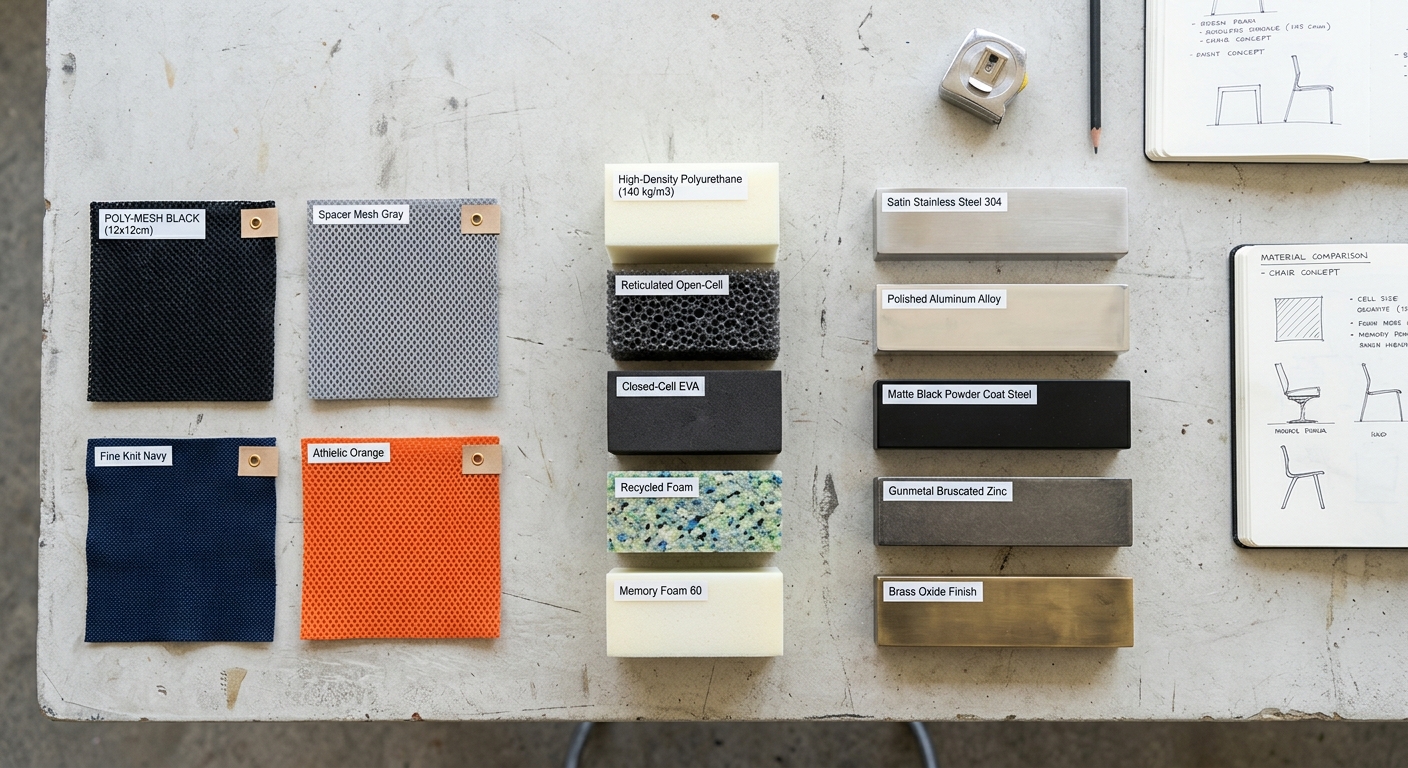
Distributors love showing finished chairs but rarely show what’s inside them — and that’s a missed opportunity, because material quality is exactly what separates a chair that lasts 8 years from one that sags in 18 months.
Cutaway samples of mesh weave, foam density blocks, and base cross-sections turn an abstract quality claim into something a buyer can touch and compare. It also preempts the question every experienced buyer eventually asks: why does this chair cost more than the one next to it?
If you’re stocking both mesh and upholstered lines, pair the display with material education — something like the comparison covered in mesh vs. foam office chairs — so your sales team isn’t improvising an answer on the spot.
Mistake #5: No Price-Tier Logic Buyers Can Follow
Nothing kills buyer confidence faster than a showroom where a $70 chair sits next to a $220 chair with no visible reason for the gap. Buyers start assuming margin padding rather than genuine value difference.
Build the floor around three visible tiers — entry, mid, premium — and make the jump between them obvious: better mesh tension, dual-density foam, aluminum base instead of nylon, 4D armrests instead of fixed ones. Each upgrade should be something the buyer can see or feel within seconds.
This is also where clarifying the difference between a standard office chair and a true ergonomic chair pays off — many buyers genuinely don’t know why one option costs nearly triple, and a showroom that explains it converts hesitation into a sale.
Mistake #6: Forgetting Dimensional Range in the Lineup
A showroom stocked entirely with standard-size task chairs will lose every project that involves a mixed-height workforce — schools, call centers, universities, or any client with a diverse staff.
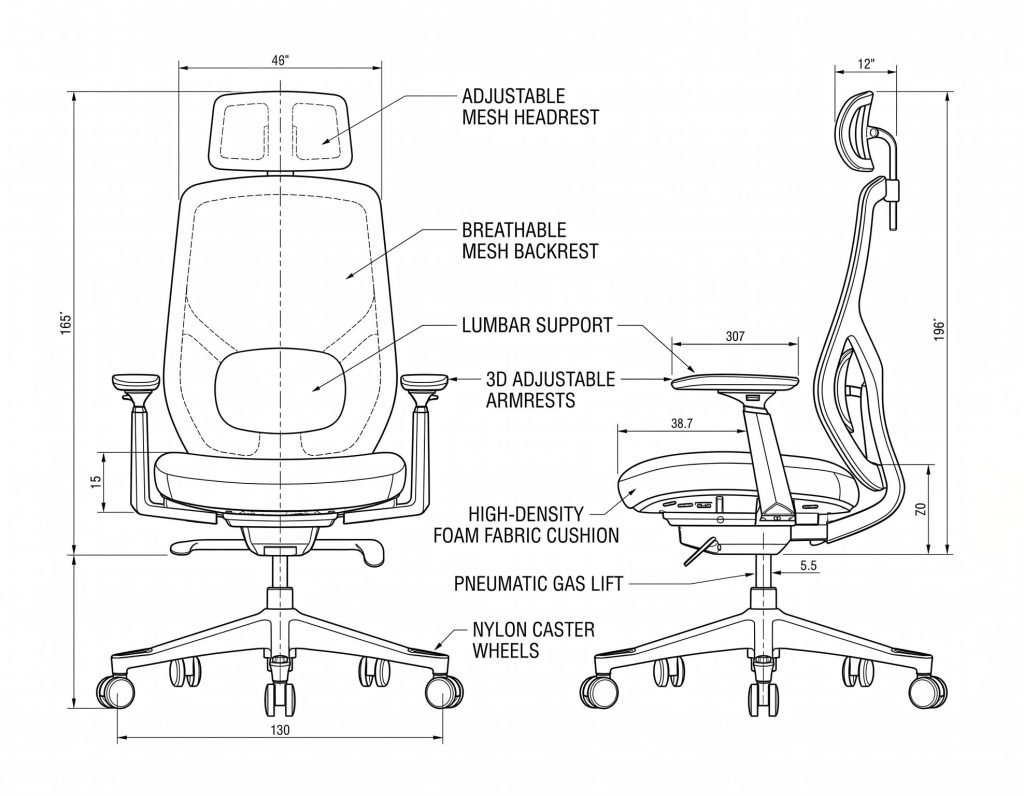
Seat height range, seat depth adjustment, and weight capacity vary more than most distributors admit, and skipping this in the display means losing bids where the client specifically asks about fit for taller or heavier staff. Keep at least one big-and-tall rated chair and one petite-friendly option visible at all times — don’t bury them in a back room.
Understanding how seat height and chair dimensions affect comfort is worth reviewing with your sales team before every major trade show or project pitch, since it’s one of the first things procurement buyers ask about for bulk orders.
Mistake #7: No Stacking or Space-Efficiency Demonstration
Distributors selling into training rooms, coworking spaces, or event venues often forget to show how chairs behave in storage — stacked, nested, or ganged together. That’s a dealbreaker question for a lot of institutional buyers, and if you can’t answer it on the floor, you’ve lost credibility.
Set up a small stacking demo with 4-6 units for at least one visitor or training chair model. It takes ten minutes to arrange and answers a question that otherwise derails a sales conversation.