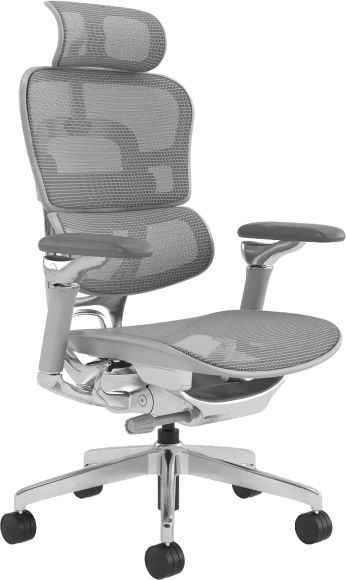
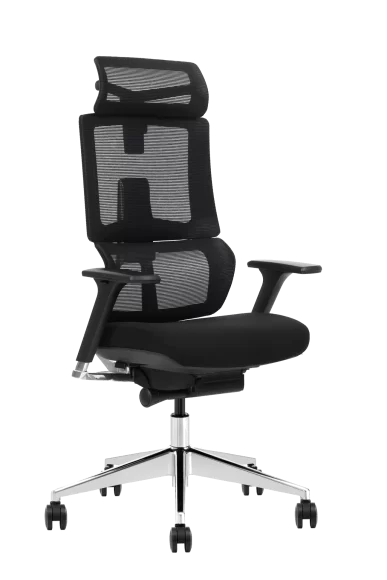
Office chairs accumulate dust, body oils, sweat, and airborne particles through daily use. Over time, this buildup affects appearance, hygiene, and material durability. Proper cleaning not only improves workspace cleanliness but also helps preserve structural integrity, surface tension, and ergonomic performance.
Different office chair materials require different cleaning approaches. Mesh, fabric, leather, and structural components each respond differently to moisture, cleaning agents, and drying conditions. Understanding how to clean your office chair safely ensures effective maintenance without damaging materials or reducing its lifespan.
Identify Your Office Chair Material Before Cleaning
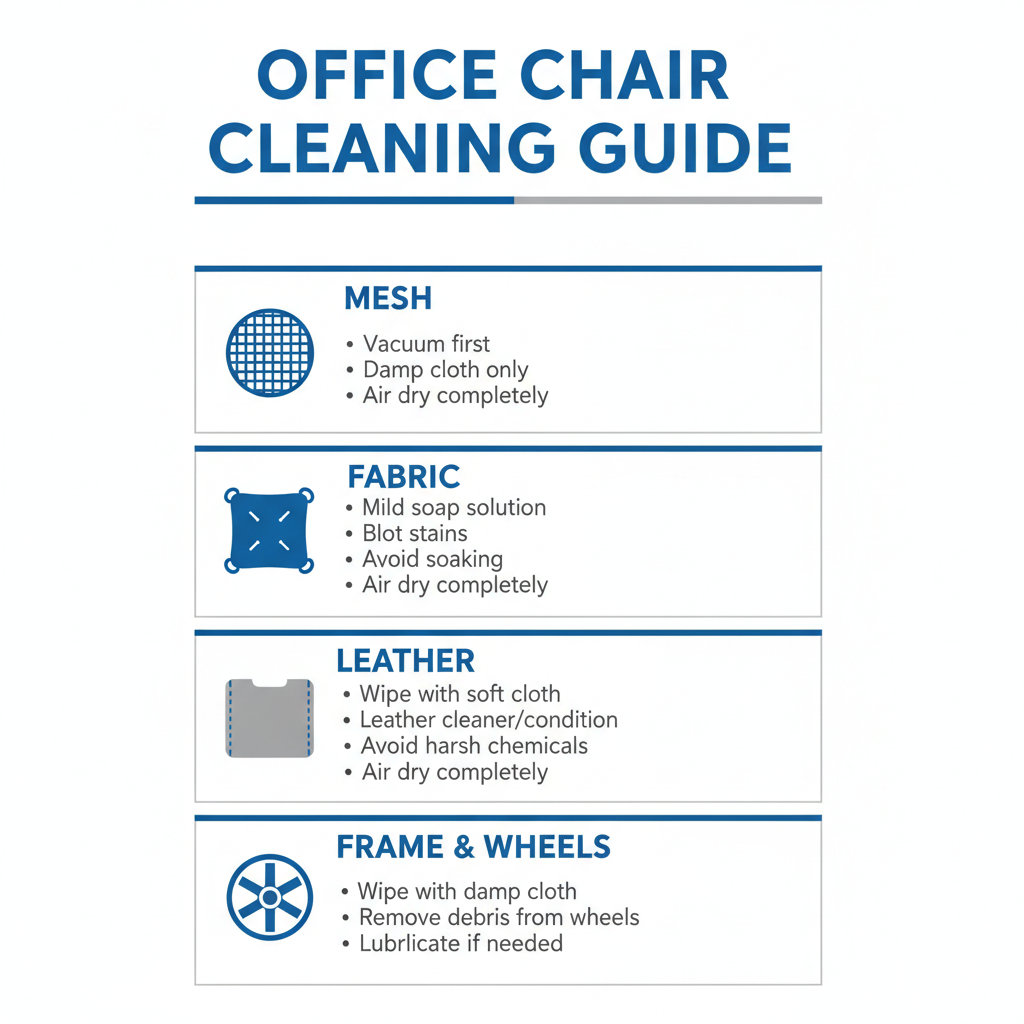
Before cleaning, identify the primary material of your office chair. Cleaning methods depend heavily on the material type. Common office chair materials include:
- Mesh: Mesh office chairs use breathable woven or elastomeric structures designed for airflow and pressure distribution. Mesh allows dust to pass through openings rather than trapping it deeply within dense padding.
- Fabric Upholstery: Fabric chairs use foam padding covered with textile materials. Fabric absorbs liquids more easily and may retain stains and odors if not cleaned properly.
- Leather or Synthetic Leather: Leather surfaces are non-porous but sensitive to harsh chemicals and improper drying. Conditioning is important to prevent cracking.
- Plastic, Metal, and Structural Components: Armrests, bases, and frames accumulate surface dust, skin oils, and debris from normal use.
Identifying the material helps prevent over-wetting, chemical damage, or unnecessary abrasion.
How to Clean Mesh Office Chairs Safely
Mesh office chairs are generally easier to maintain because their open structure reduces moisture retention and allows faster drying compared to dense upholstery materials. Follow these steps:
Step 1: Remove Loose Dust Using a Vacuum
Use a vacuum cleaner with a soft brush attachment to remove:
- Dust particles
- Hair and debris
- Particles trapped in mesh openings
Tip: Vacuum both front and back surfaces to ensure complete removal. This prevents dirt from embedding deeper during wet cleaning.
Step 2: Wipe the Mesh Surface with Mild Cleaning Solution
Prepare a mild cleaning solution using warm water and a small amount of gentle soap.
- Lightly dampen a microfiber cloth. Avoid soaking the mesh.
- Gently wipe the surface to remove oils, sweat residue, and surface dirt.
- Do not scrub aggressively, as excessive force may deform mesh tension.
Step 3: Clean Frame, Armrests, and Contact Areas
Armrests and frame areas accumulate skin oils and frequent contact contamination. Use a damp microfiber cloth to clean:
- Armrests
- Chair back frame
- Seat frame
- Adjustment controls
(These areas typically require minimal moisture.)
Step 4: Allow Proper Air Drying
Allow the chair to air dry completely in a well-ventilated area. Mesh dries quickly due to its breathable structure, reducing the risk of odor buildup or moisture retention.
- Avoid using direct heat sources such as heaters or hair dryers, as excessive heat may affect material integrity.
How to Clean Fabric Office Chairs
Fabric chairs require more careful moisture control because fabric absorbs liquids more easily.
Step 1: Vacuum Surface Thoroughly
Remove dust, crumbs, and debris from the seat cushion, backrest, seams, and edges. This prevents dirt from spreading during wet cleaning.
Step 2: Spot Clean Using Mild Solution
Use a lightly damp microfiber cloth with a mild soap solution. Gently blot stained areas instead of scrubbing. Blotting prevents pushing stains deeper into foam padding.
Step 3: Remove Residual Moisture and Allow Full Drying
Use a dry cloth to absorb excess moisture. Allow complete air drying before use. Incomplete drying may cause odor buildup or microbial growth.
How to Clean Leather Office Chairs
Leather and synthetic leather surfaces require gentle cleaning to prevent surface damage.
Step 1: Remove Dust Using Dry Cloth
Use a clean microfiber cloth to remove dust and surface debris.
Step 2: Wipe Using Leather-Safe Cleaning Solution
Use a damp cloth with a mild cleaning solution or a leather-safe cleaner. Never apply liquid directly to the surface—always apply cleaner to the cloth first.
Step 3: Dry Surface Completely
Wipe with a dry cloth and allow natural air drying. Proper maintenance helps preserve flexibility and surface appearance.
How to Clean Office Chair Wheels, Base, and Structural Components
Chair wheels and base areas collect debris, hair, and dust that may affect movement and performance.
Clean Chair Wheels
- Remove visible debris manually.
- Use a vacuum or cloth to clean wheel surfaces and surrounding areas.
- Note: Debris buildup may affect rolling performance over time.
Clean Chair Base and Frame
- Use a damp microfiber cloth to wipe the base structure, support components, and frame surfaces.
- Regular cleaning prevents dust accumulation.
Common Cleaning Mistakes That Damage Office Chairs
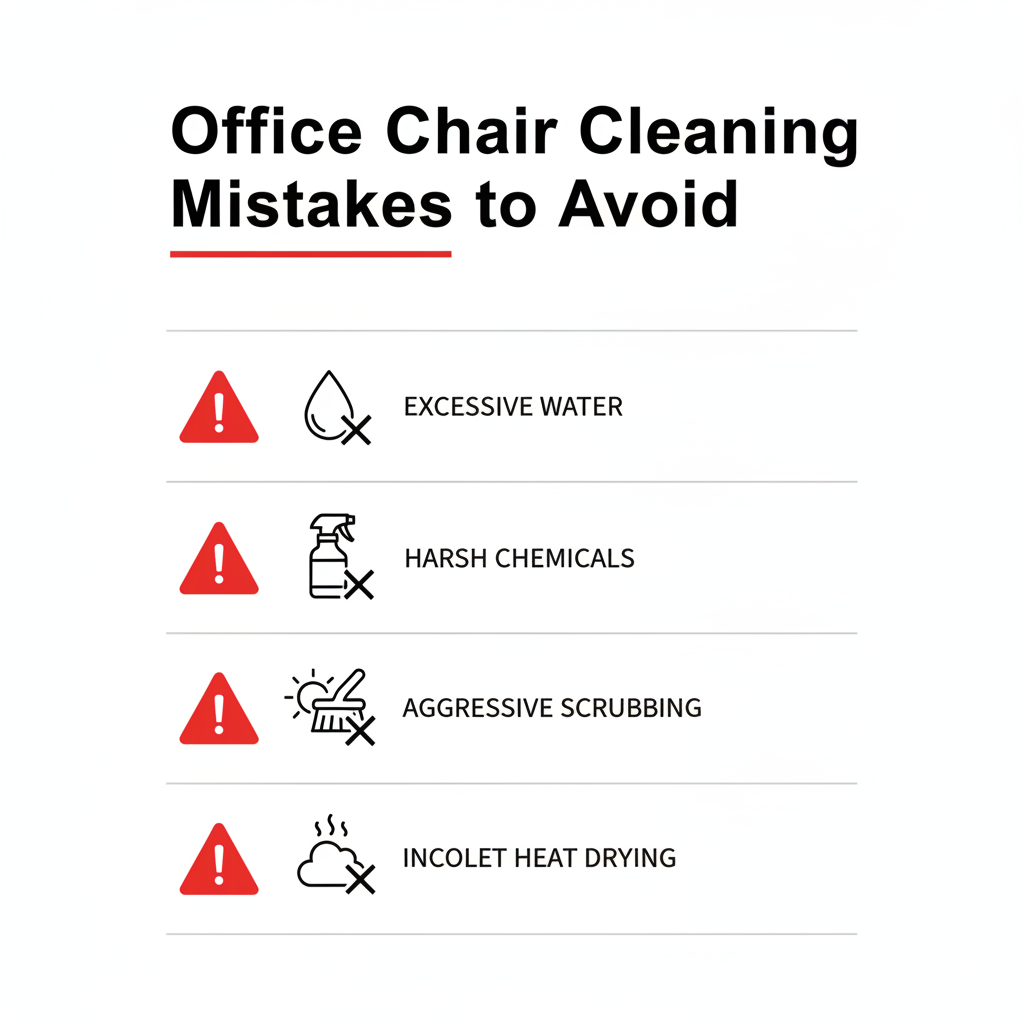
Avoid these common mistakes to protect your chair:
- Using excessive water: Over-wetting may damage fabric padding or internal components.
- Using harsh chemicals: Strong chemicals may damage mesh, leather, or coatings.
- Scrubbing aggressively: Excessive force may deform mesh or damage surfaces.
- Incomplete drying: Moisture retention may cause odor or material degradation.
Proper cleaning focuses on controlled moisture and gentle cleaning methods.
Why Mesh Office Chairs Are Easier to Maintain Long-Term
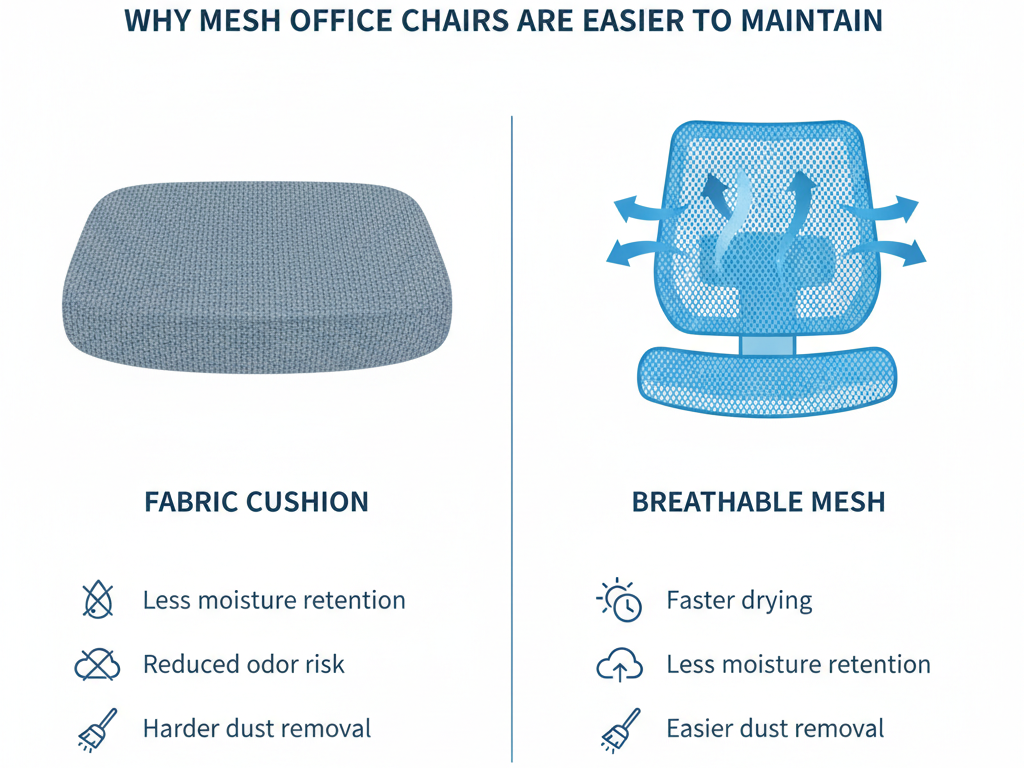
Mesh office chairs offer maintenance advantages due to their structural design. Mesh materials allow:
- Faster drying after cleaning
- Reduced moisture retention
- Lower risk of odor buildup
- Easier dust removal
- Less deep material contamination
Unlike dense foam upholstery, mesh does not trap moisture internally, which simplifies long-term maintenance. These characteristics make mesh office chairs suitable for high-use work environments requiring consistent cleanliness and durability.
Maintenance Tips to Keep Your Office Chair Clean Longer
Regular maintenance reduces the need for deep cleaning. Recommended practices include:
- Remove dust periodically using a vacuum or cloth.
- Clean spills promptly.
- Maintain a clean workspace environment.
- Allow airflow around the chair.
- Avoid prolonged moisture exposure.
Routine maintenance preserves appearance and structural performance.
When Cleaning Is Not Enough
Over extended use, office chairs may show signs of structural wear beyond surface cleaning. These signs may include:
- Permanent material degradation
- Loss of structural support
- Visible material wear
- Reduced ergonomic performance
Regular cleaning helps extend lifespan, but long-term durability depends on material quality, usage conditions, and maintenance.
Frequently Asked Questions
Q: How often should you clean an office chair?
A: Light cleaning is recommended periodically, with deeper cleaning performed as needed based on usage frequency and environment.
Q: Can you clean mesh office chairs with water?
A: Yes, using a lightly damp cloth with a mild cleaning solution is generally safe. Avoid excessive moisture.
Q: What is the safest way to clean office chair mesh?
A: Vacuum loose dust first, then wipe gently using a microfiber cloth and mild cleaning solution. Allow full air drying.
Q: How do you remove dust from office chair mesh?
A: Vacuum using a soft brush attachment or wipe gently using a dry microfiber cloth.
Conclusion
Proper office chair cleaning helps maintain hygiene, appearance, and material durability. Mesh, fabric, leather, and structural components each require appropriate cleaning methods to prevent damage and preserve performance.
Mesh office chairs offer practical maintenance advantages due to their breathable structure, faster drying, and reduced moisture retention. Regular cleaning and proper maintenance help ensure long-term performance, comfort, and reliability in daily work environments.