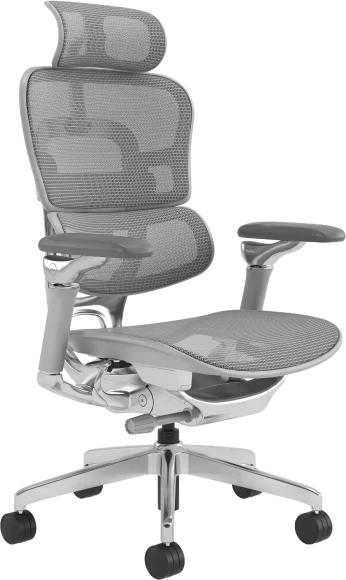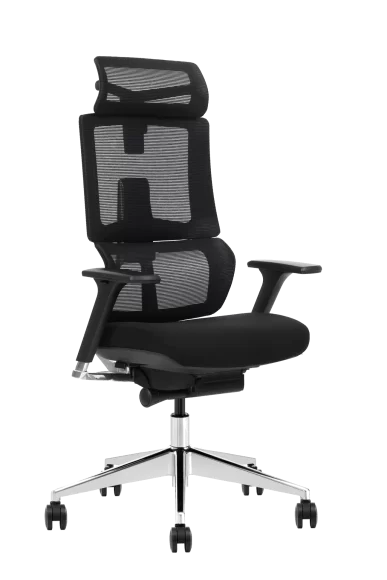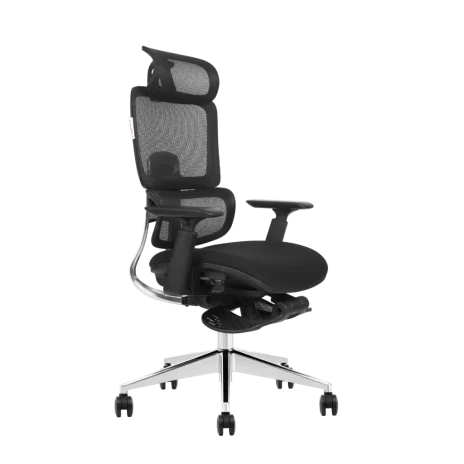
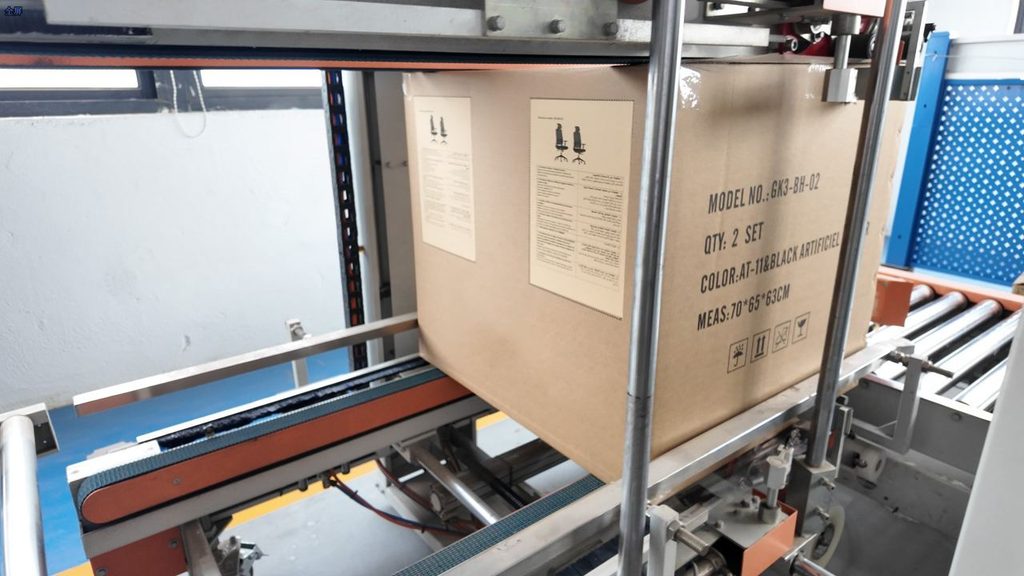
Office chair export packaging has to address three common problems. A carton can soften or crush during handling, parts can rub against one another inside an intact carton, and a missing or incorrect fastener can stop assembly at the destination. At VASEAT, first-pack approval brings the carton, internal layout, and hardware kit together for the exact chair configuration.
Match Protection to the Risk
VASEAT uses reinforced five-layer corrugated cartons on applicable models. The moisture-resistant outer liner helps the carton tolerate exposure during transit and storage. The corrugated board and liners support the pack under handling and stacking loads. When comparing two cartons, review packed weight and stacking conditions along with the board specification.
| What receiving teams see | What to review before dispatch |
|---|---|
| Carton crush or soft panels | Confirm board construction, gross weight, and the intended stack. Check that the carton supports its load without relying on an exposed component. |
| Scuffed upholstery or painted parts | Open the first carton. Look for exposed metal edges, hardware, or feet that could rub against upholstery or another finished surface. |
| Parts shifting inside a sound carton | Review the position and clearance of the heaviest parts and whether the internal layout keeps them separate during handling. |
| Missing screws or wrong hardware | Match the kit to the exact model and variant. Compare the quantities and screw lengths with the parts list and assembly instructions. |
A smooth inner bag helps protect a chair surface from abrasion and dirt. Where a dense mechanism or base could make contact with a seat or mesh back, the placement and separation of those parts matter as much as the bag. Look for contact points around protruding edges, including where an inner box meets a finished surface.
Approve the First Packed Carton
The packing team stages the parts and protection for the order. It then packs the first chair of that model in the batch for quality or line staff to confirm. They check the configuration, order of placement, inner protection, and accessories. Once approved, that layout serves as the reference for the line.
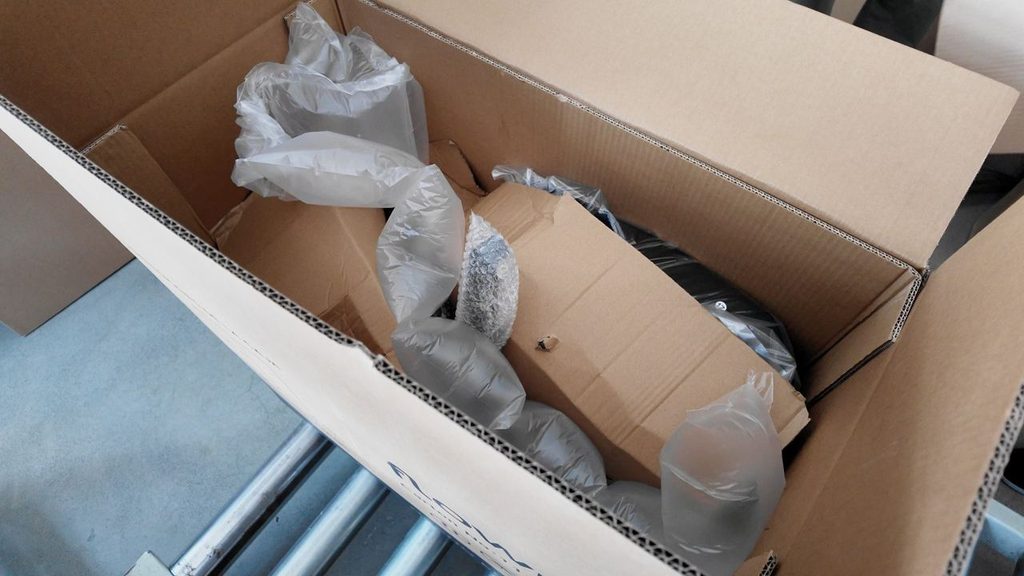
For a remote approval, ask for two photos. An open-carton photo should show the internal arrangement and any gaps around the heavy parts. A closed-carton photo should show the carton mark. Review both against the order line and the agreed carton specification. If the armrest, base, or headrest changes, check the layout again because the new part may occupy a different space or need a different hardware kit.
Verify the Hardware Kit
In VASEAT’s hardware area, fastener selection follows the model’s bill of materials. Similar screws can have different lengths, threads, or locking features. A divided or shaped kit, where used, gives each group of screws and washers its own position. A missing screw becomes visible as an empty slot, and a screw that is too long may fail to seat in its position.
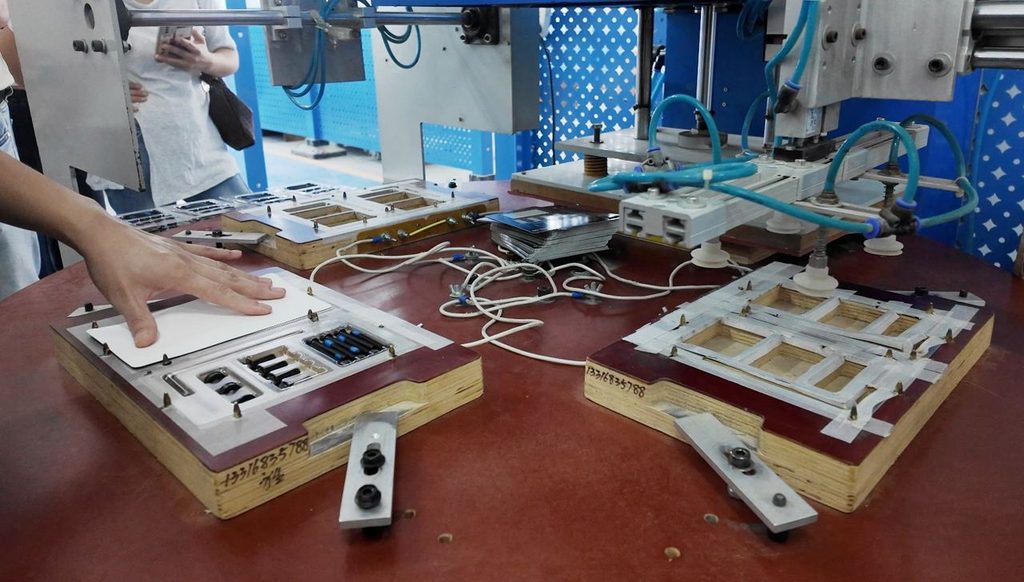
Confirm the counts and any spares for the model on the packing list or kit reference. The hardware kit should correspond to the assembly instructions the receiver will actually use.
Confirm the Shipment Specification
Request external carton dimensions, gross weight, chairs per carton, and carton markings by configuration. To estimate shipping volume, multiply external length, width, and height in metres and multiply that figure by carton count. A carton measuring 0.80 × 0.60 × 0.50 m occupies 0.24 m³. Twenty cartons of that size total 4.80 m³ before allowing for any loading gaps or pallets. These are example dimensions.
If the packed unit will go through parcel delivery after ocean freight, tell the supplier before approving the pack. Agree the distribution route and any package test evidence you need for that configuration. An open-carton inspection shows the layout. A transport test, when specified and performed, documents how the packed unit behaves under its test conditions.